About BYBORRE:
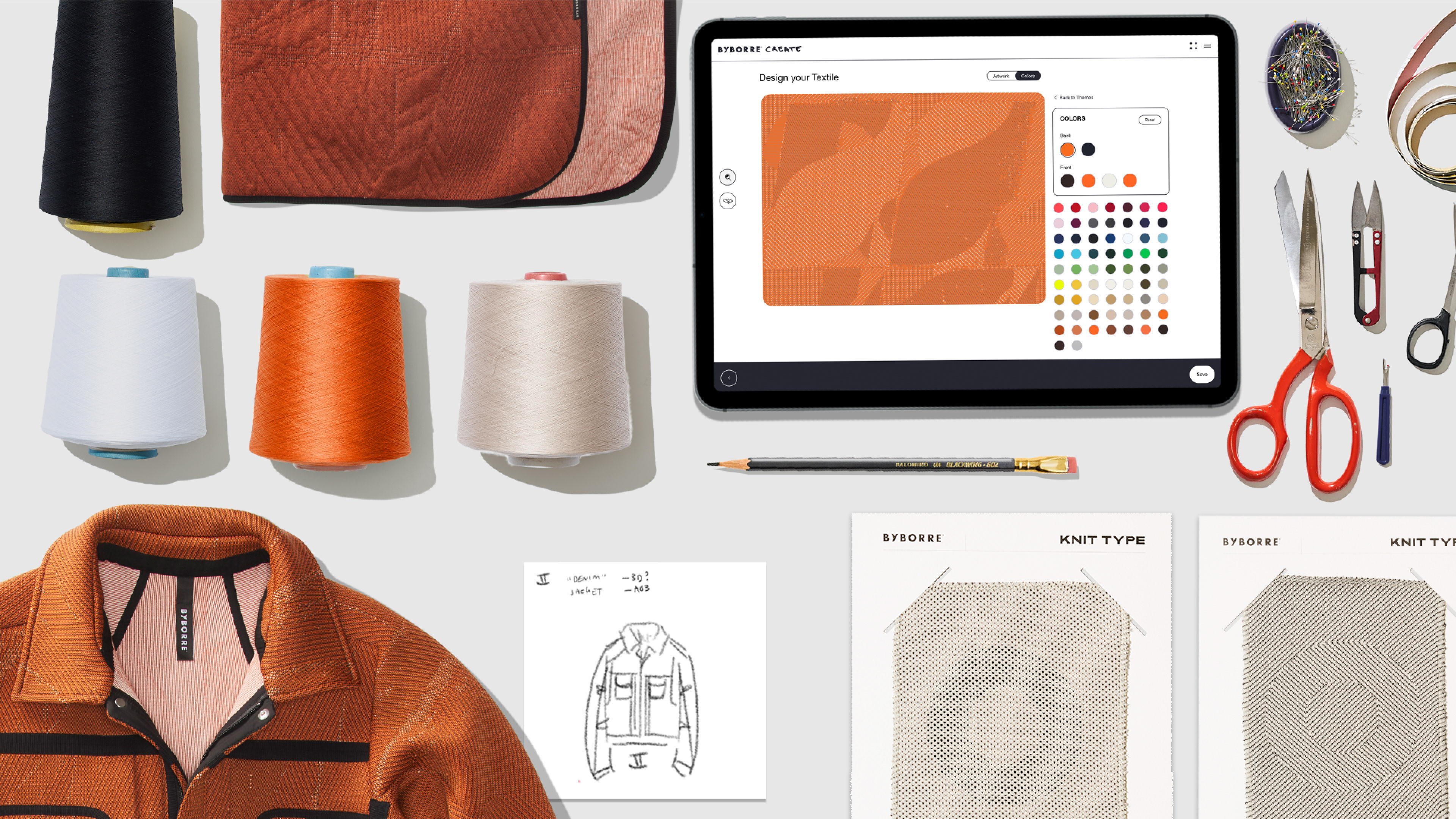
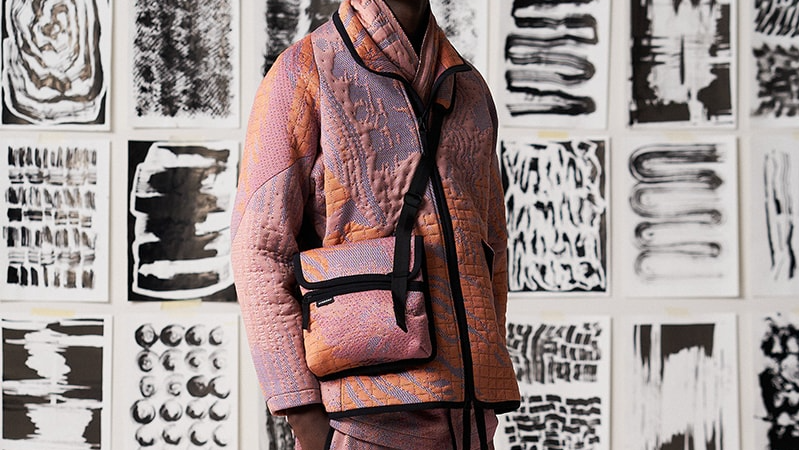
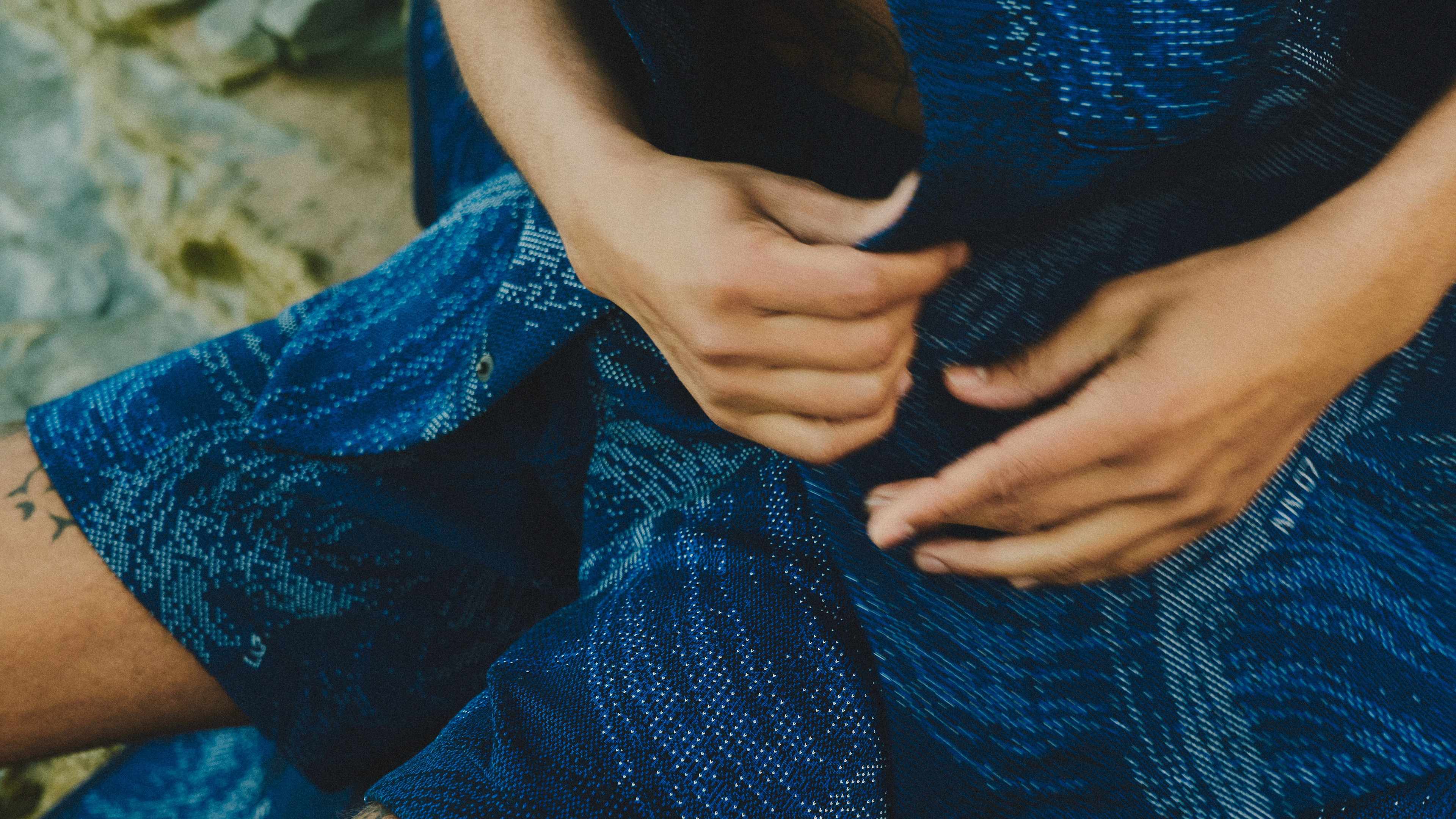
Dutch textile innovation company BYBORRE reconfigures the design process by enabling designers, interior architects, and creatives to design distinctive textiles on their own terms. Battling overproduction at its core, the inventive platform fuses digital and craftsmanship in all the right ways.
Dutch textile innovation company BYBORRE reconfigures the design process by enabling designers, interior architects, and creatives to design distinctive textiles on their own terms. Battling overproduction at its core, the inventive platform fuses digital and craftsmanship in all the right ways.
Context & Challenge
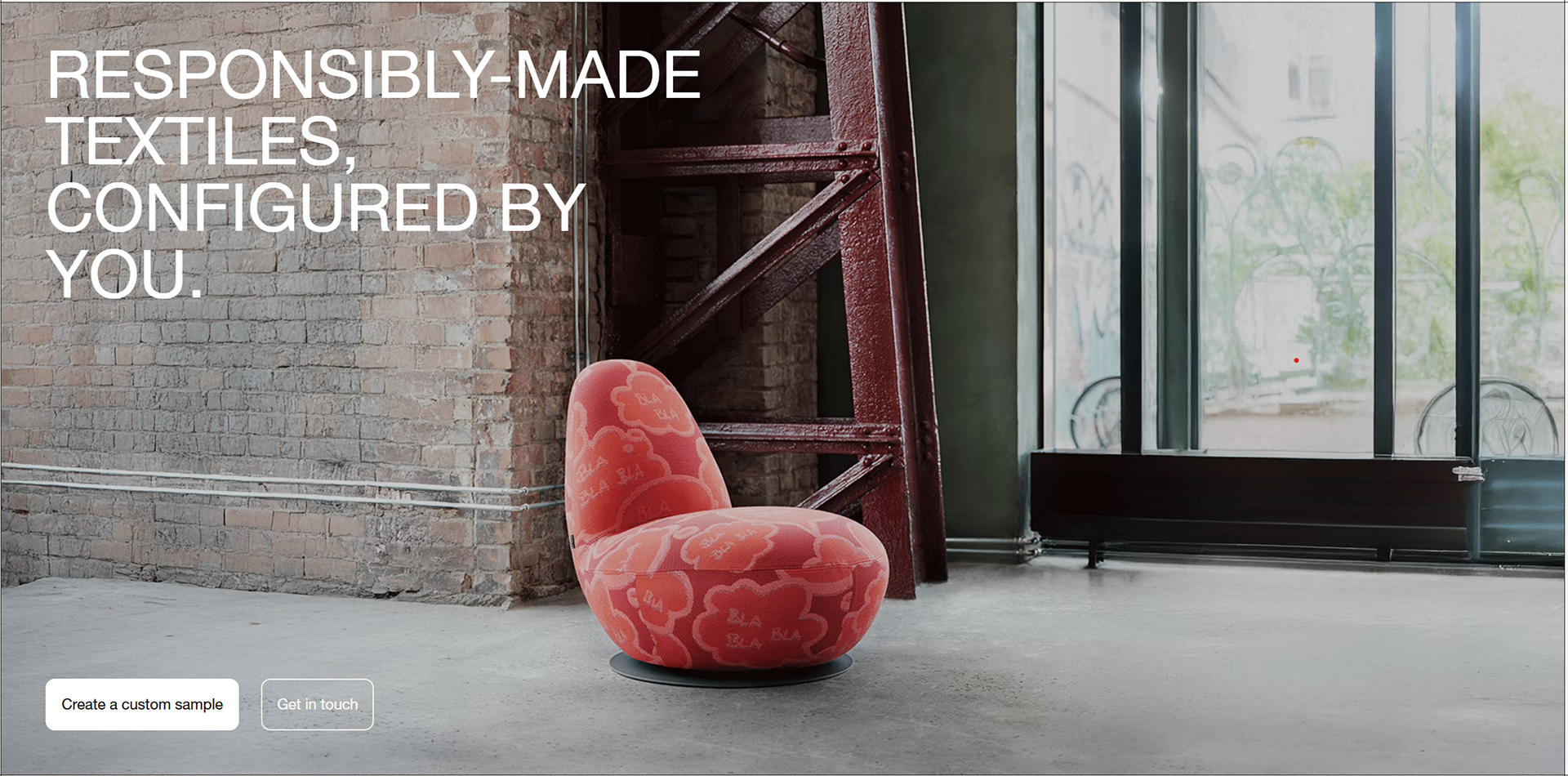
In 2023, BYBORRE faced a classic scale up challenge, transitioning from a custom design consultancy to a scalable SaaS model (Textiles as a Service) with a ready to order collection. The digital tool, Create™, suffered from a 3D knit bottleneck: Most of user-submitted custom 3D designs required intervention to ensured production-safe results.
In 2023, BYBORRE faced a classic scale up challenge, transitioning from a custom design consultancy to a scalable SaaS model (Textiles as a Service) with a ready to order collection. The digital tool, Create™, suffered from a 3D knit bottleneck: Most of user-submitted custom 3D designs required intervention to ensured production-safe results.
To become profitable, the company needed to:
1. Mitigate risks & stabilize production output while preserving design freedom.
2. Unify Artwork & Digital team to simplify & improve the digital workflow on Create™.
3. Focus on AO knit types, textiles for high-volume productions in the interior market.
1. Mitigate risks & stabilize production output while preserving design freedom.
2. Unify Artwork & Digital team to simplify & improve the digital workflow on Create™.
3. Focus on AO knit types, textiles for high-volume productions in the interior market.
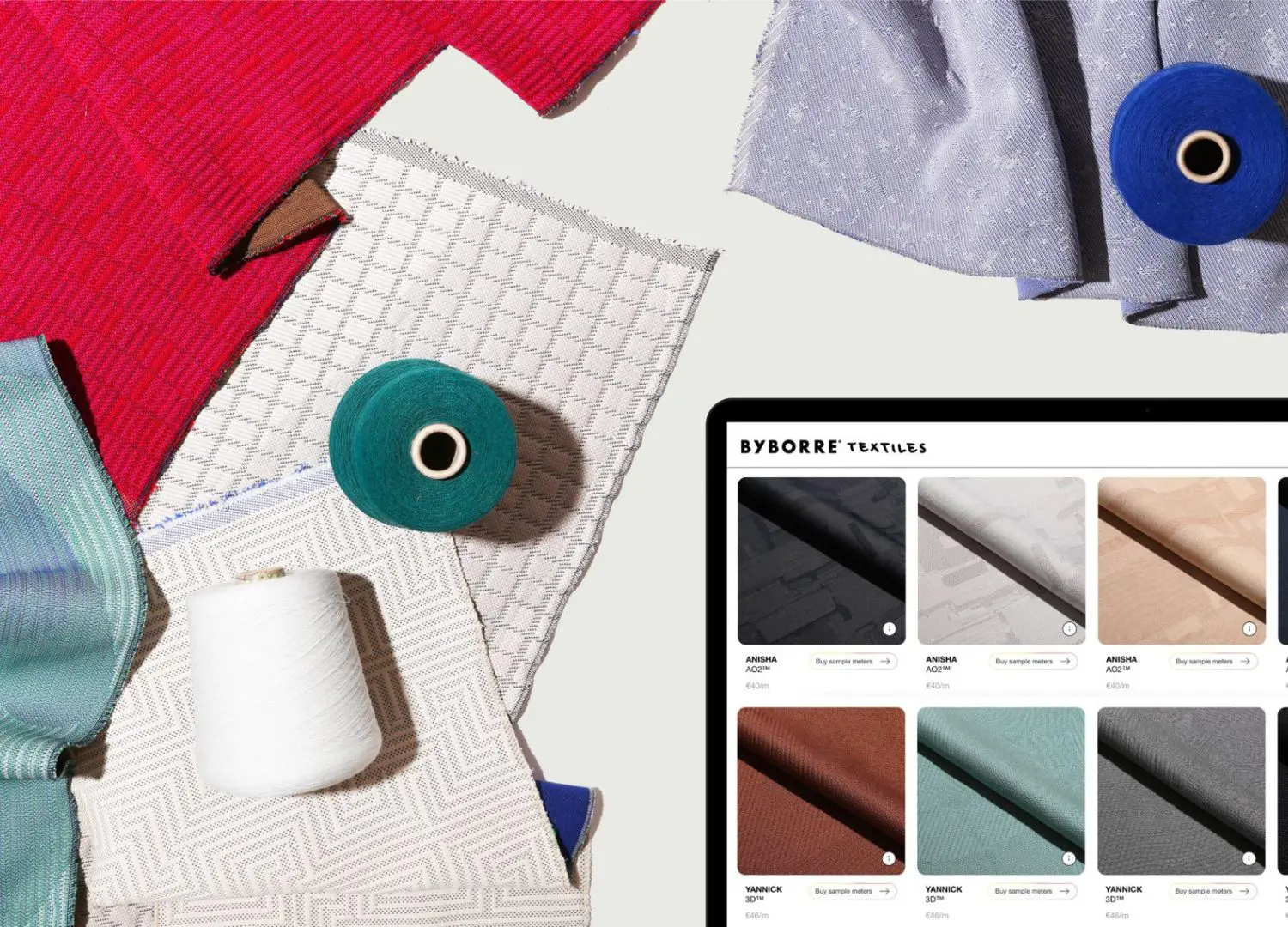
First launch of ready to order Textiles in 2022
My Role: Use Case Owner & Strategic Bridge
With my background as both an internal platform power-user and client-facing consultant for various global brands, I was appointed Use Case Owner. My role was to act as the primary translator between:
Production: Ensuring every digital design was safe to knit at scale.
Design/ Creative: Maintaining aesthetic excellence & brand DNA.
Sales/ Business: Define the new business target groups & plan features accordingly.
Software Engineering: Translate textile specs & client needs into priorities & user stories.
With my background as both an internal platform power-user and client-facing consultant for various global brands, I was appointed Use Case Owner. My role was to act as the primary translator between:
Production: Ensuring every digital design was safe to knit at scale.
Design/ Creative: Maintaining aesthetic excellence & brand DNA.
Sales/ Business: Define the new business target groups & plan features accordingly.
Software Engineering: Translate textile specs & client needs into priorities & user stories.
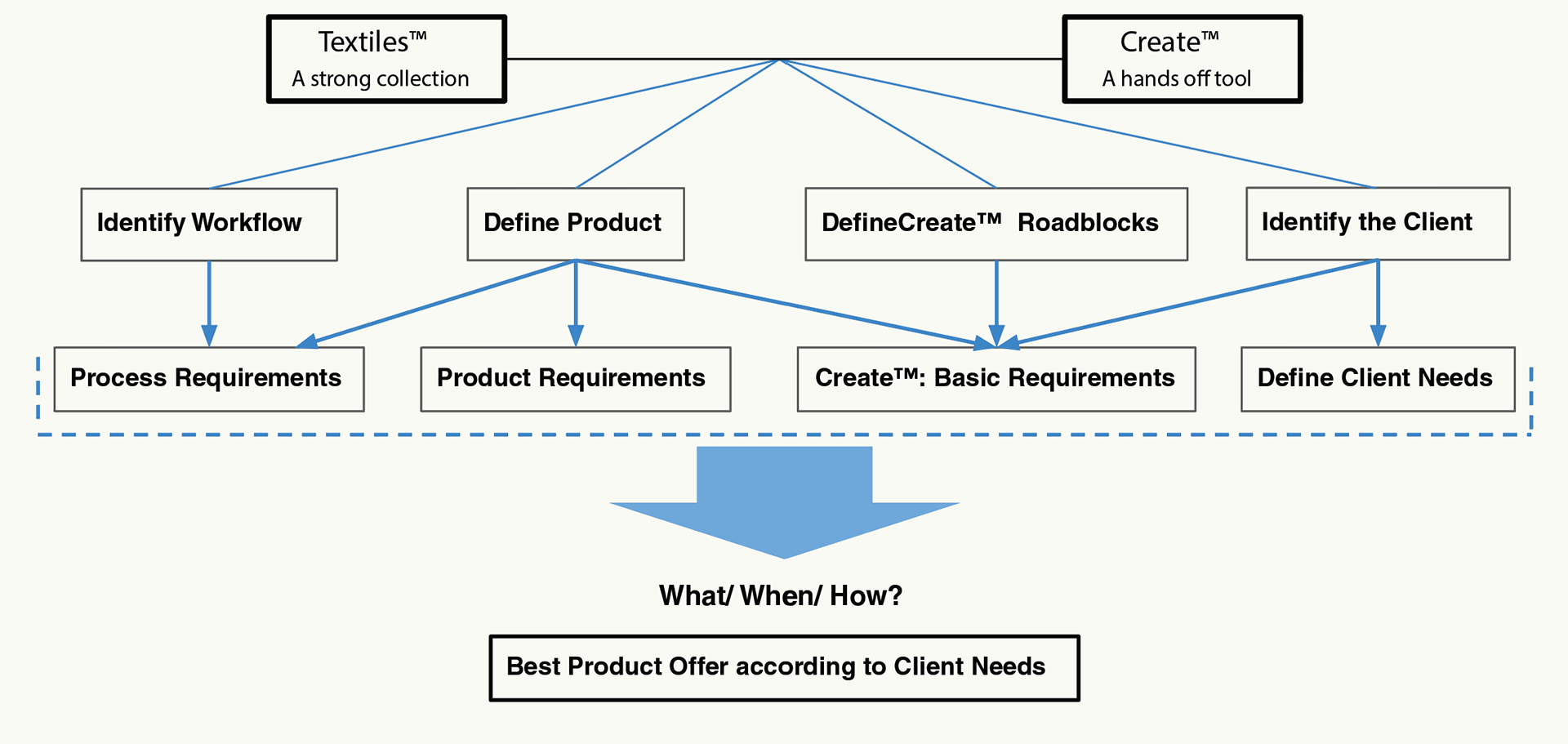
Foundation for my Roadmap Planning as a Use Case Owner
1. The Process
Part 1: Operational Redesign
Together with the Product Director I established a new collaboration structure, defining how the newly formed digital team would work together on the Create™ platform.
My first strategic move was halting 3D knit development on the platform and focusing on perfecting Attachments Only (AO) knits, allowing the use of all possible color capabilites. By analyzing data from 80+ projects, I proved that using AO knits was the fastest path to production-safe scalability, while new color capabilites made them an attractive product.
Part 1: Operational Redesign
Together with the Product Director I established a new collaboration structure, defining how the newly formed digital team would work together on the Create™ platform.
My first strategic move was halting 3D knit development on the platform and focusing on perfecting Attachments Only (AO) knits, allowing the use of all possible color capabilites. By analyzing data from 80+ projects, I proved that using AO knits was the fastest path to production-safe scalability, while new color capabilites made them an attractive product.
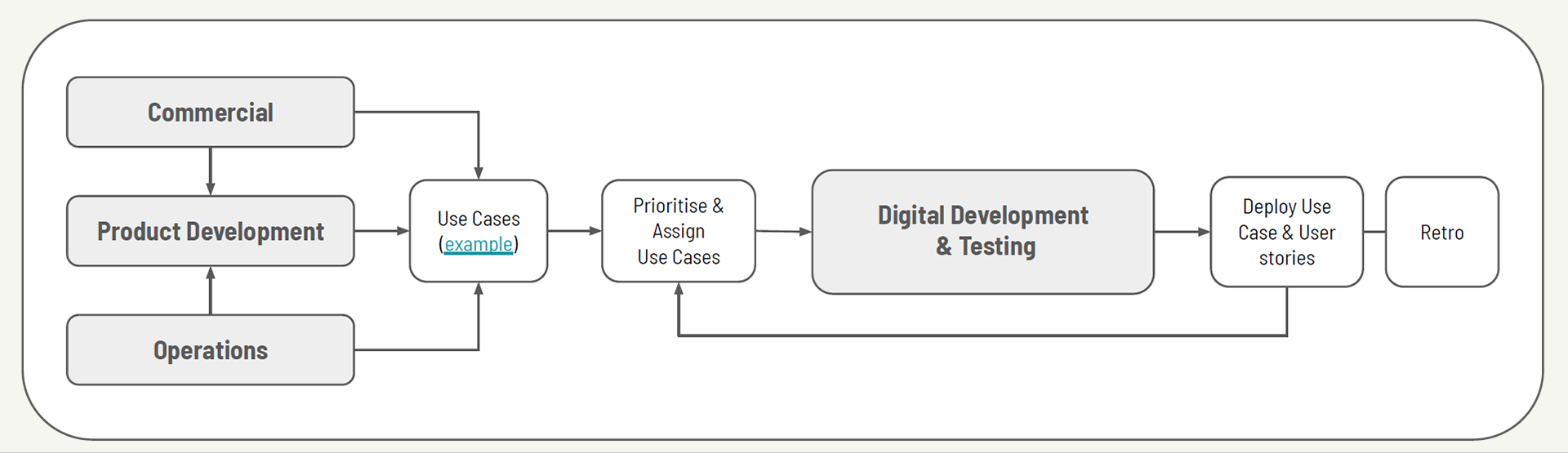
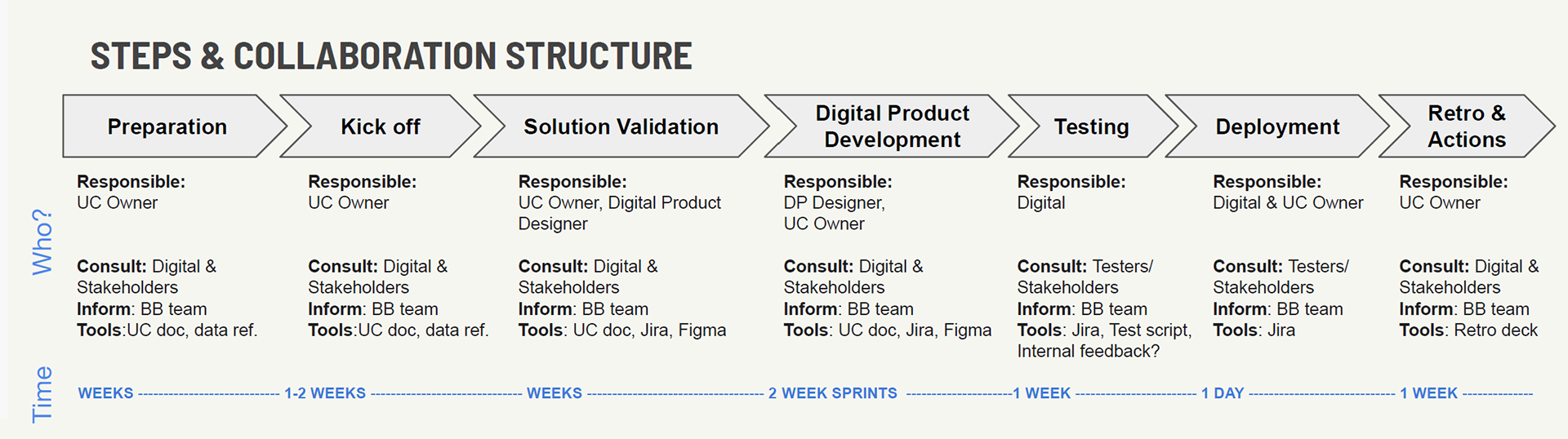
New collaboration structure & agile workflow within the newly formed team
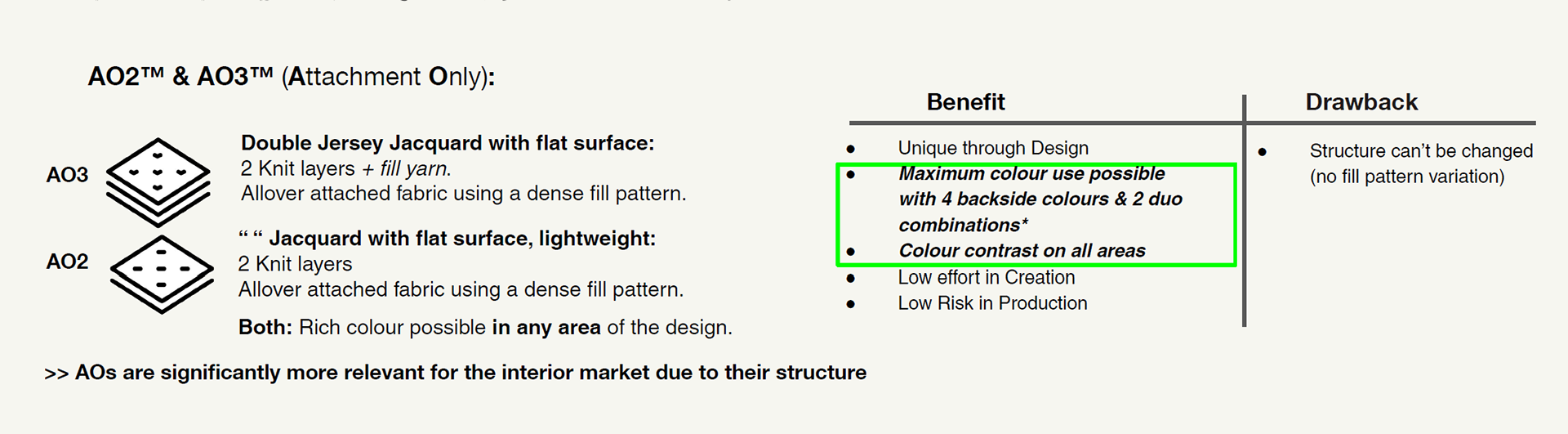
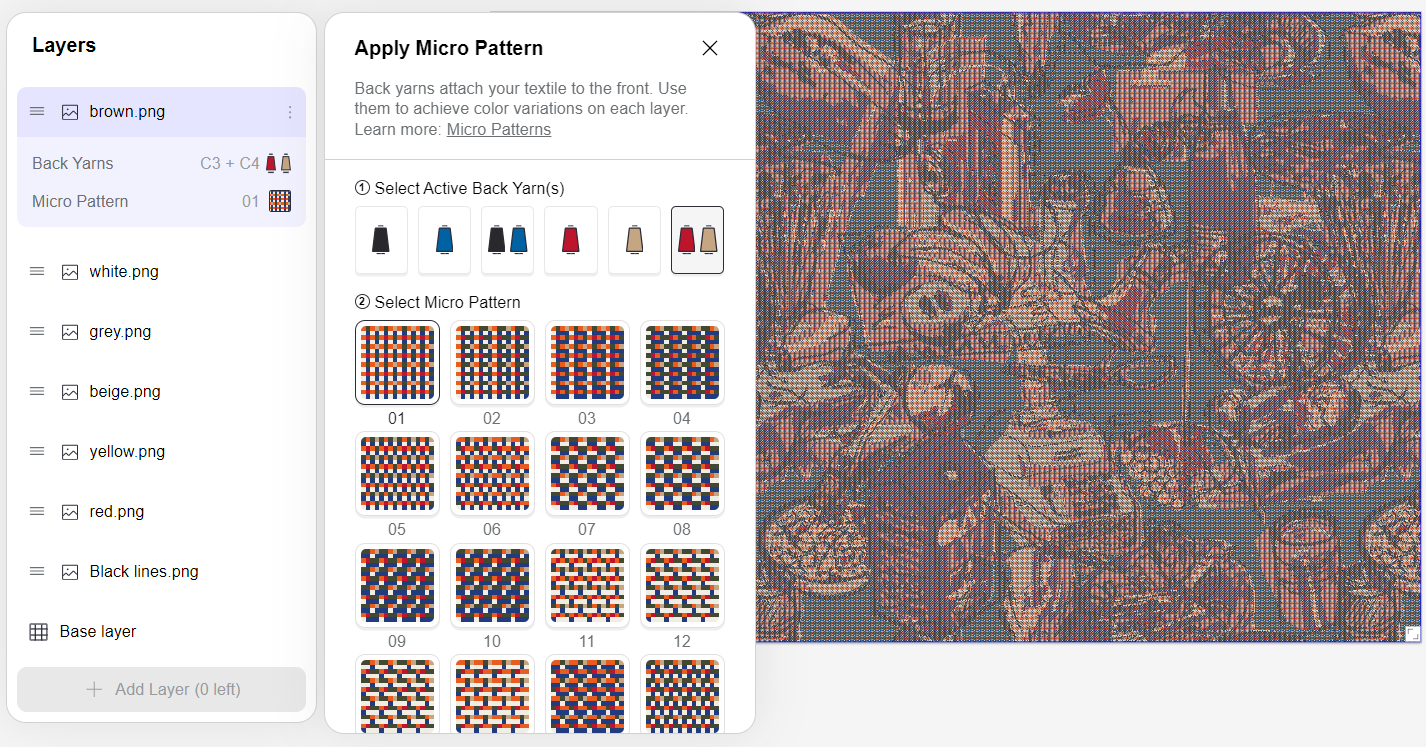
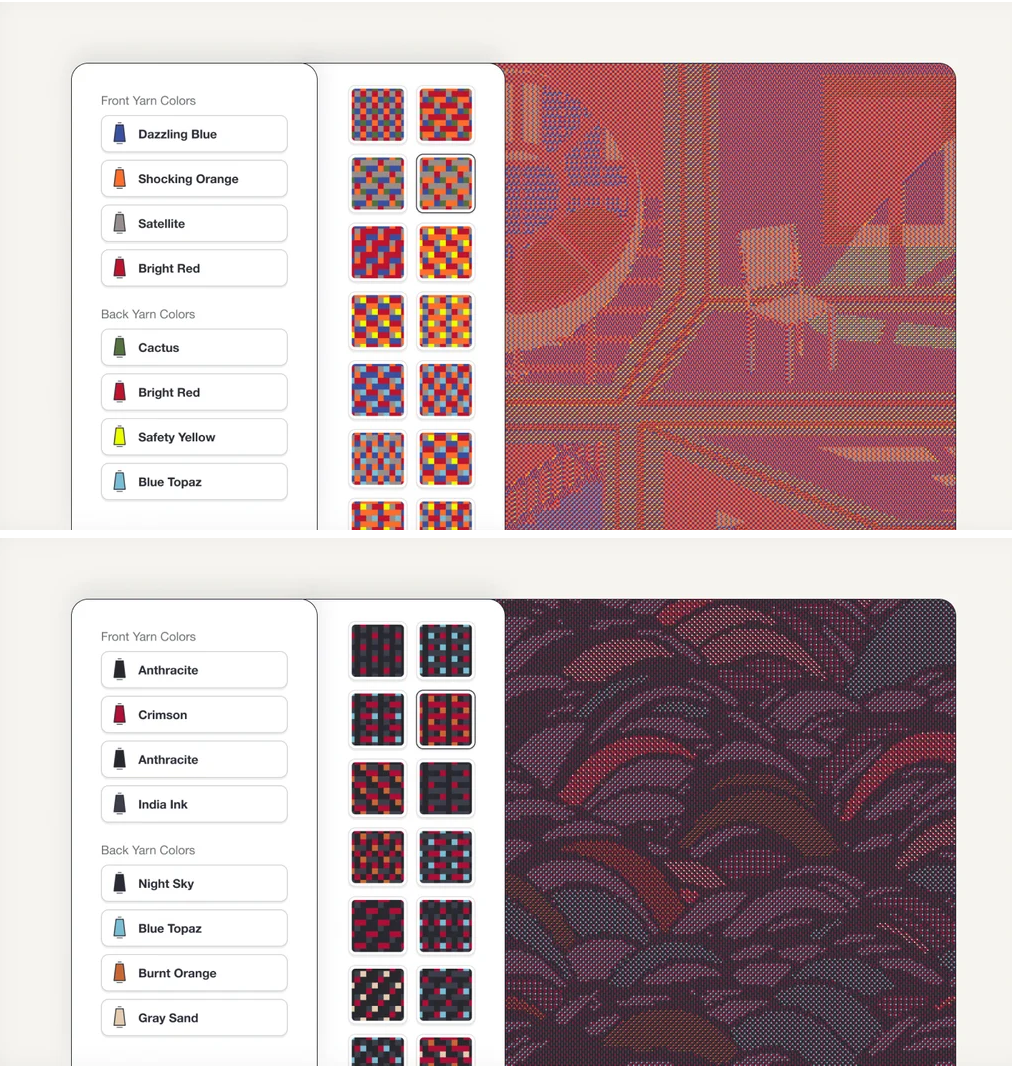
BYBORRRE's AO knit structure and their new color capabilities, see Helpcenter Create™
Part 2 - Targeting the Interior Industry
Redefining new target groups like Architects, Designers and Specifiers involved:
Redefining new target groups like Architects, Designers and Specifiers involved:
Developing CX frameworks with the CX team which I supported through data from our consultancy projects and creating UX interview guides for our Sales team to better understand the requirements & needs of their new target groups. As well as doing an in depth interview with an architect myself to better understand their way of working.
Creating a Business Glossary, a foundation unifying terminology across the company: This resolved friction caused by multiple departments using different terms for the same textile parameters & simplified communication with external clients.
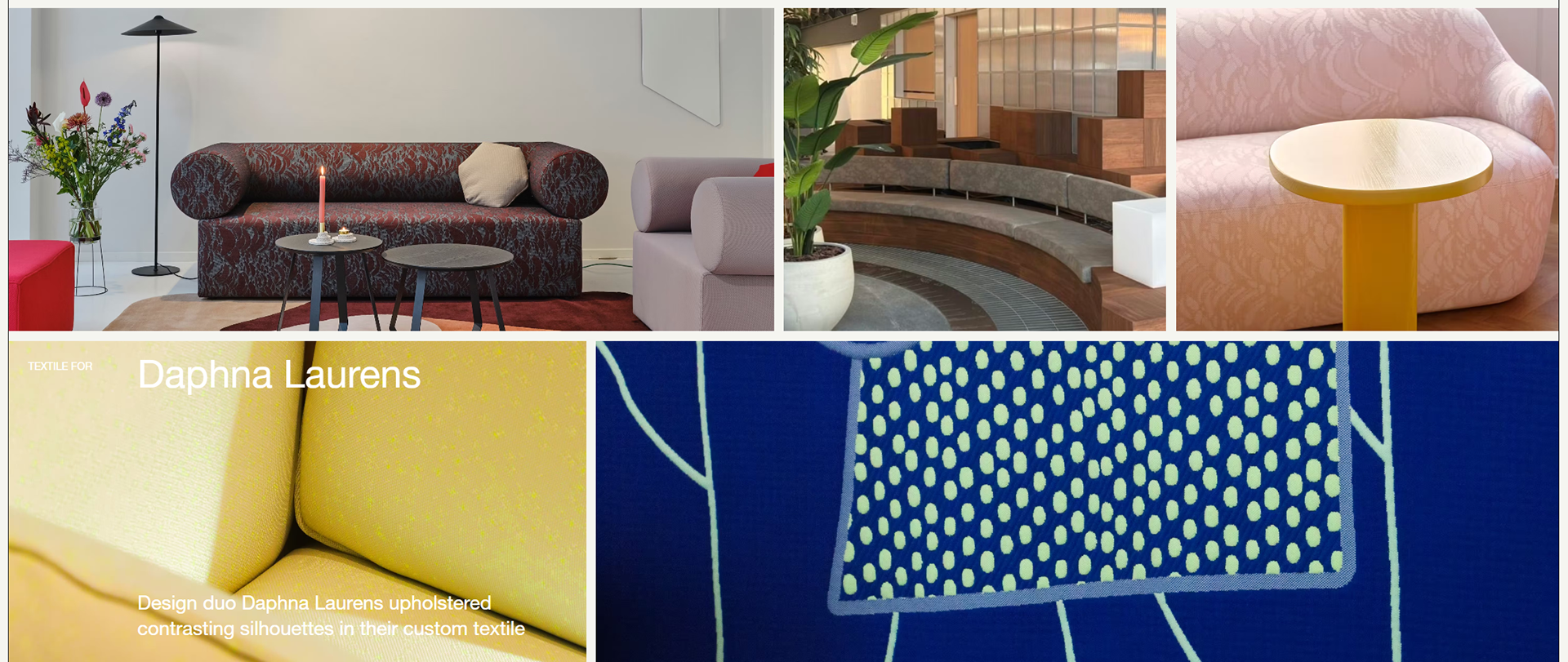
Testing the improved workflow & newly updated AO knits with interior designers like Daphna Laurens or RENS for Dutch Design Week 2024, where they successfully created their own custom design on the Create™ platform and showcased the resulting products.
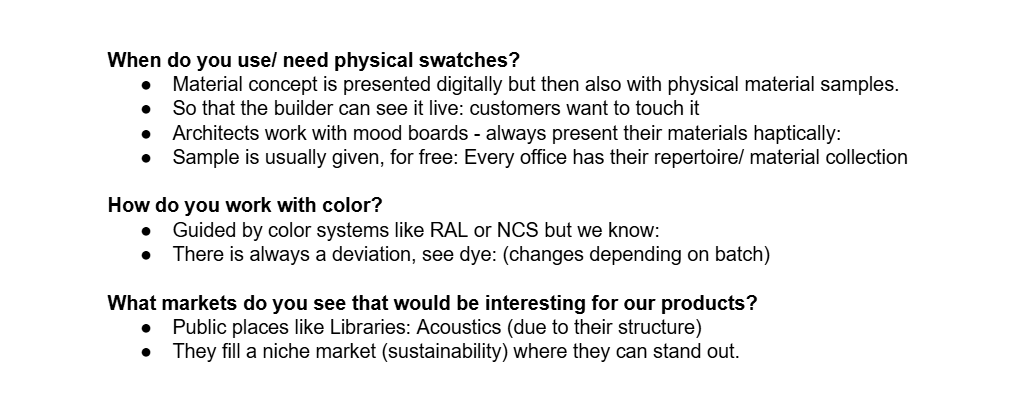
Example of questions to understand the way of working with textiles as an architect
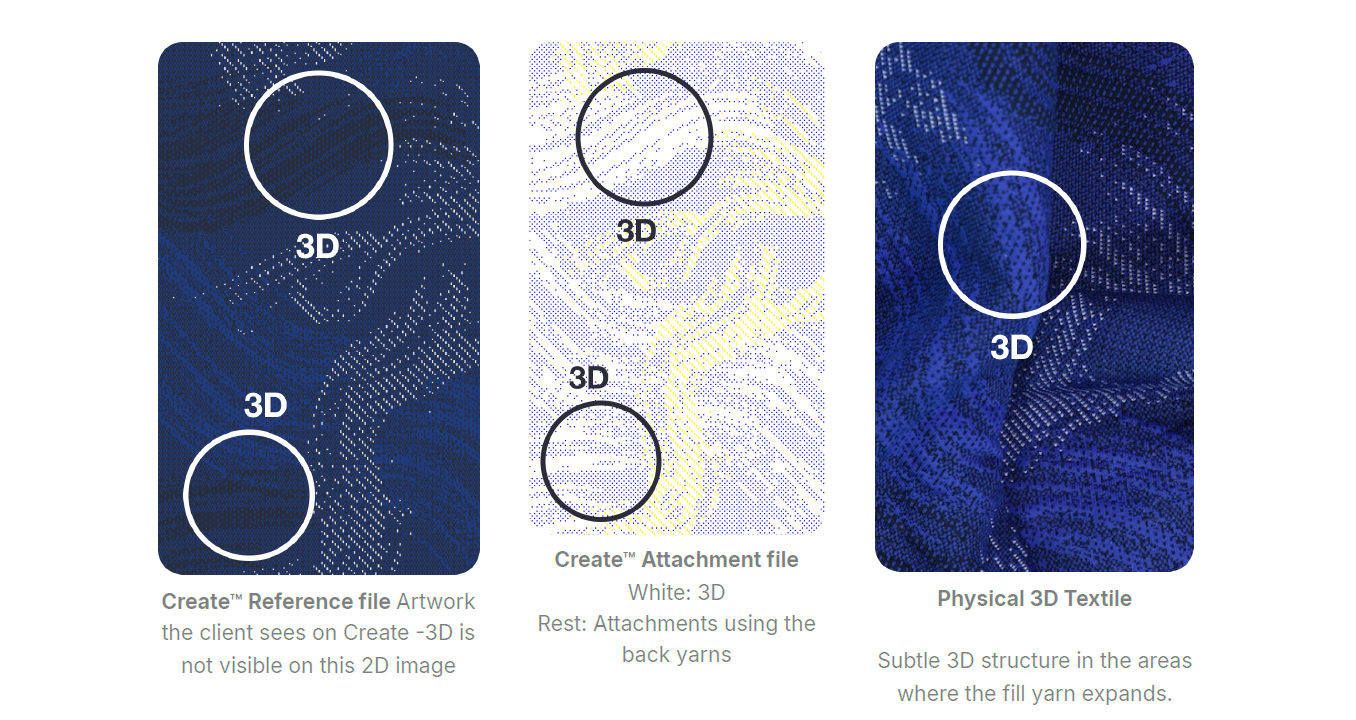
Glossary example: Differences of a digital 3D knit design, the knitting file & the physical textile (NN.07)
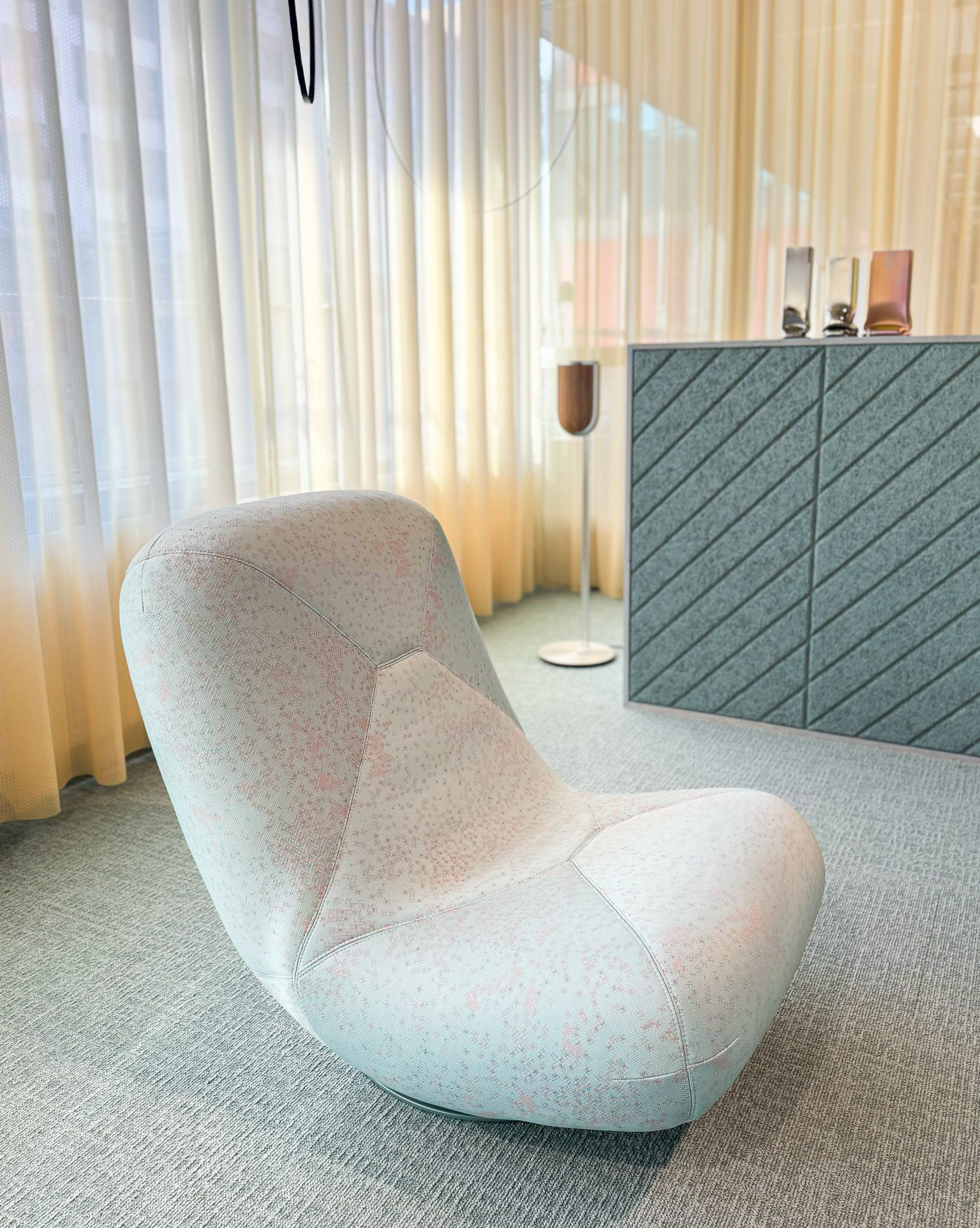
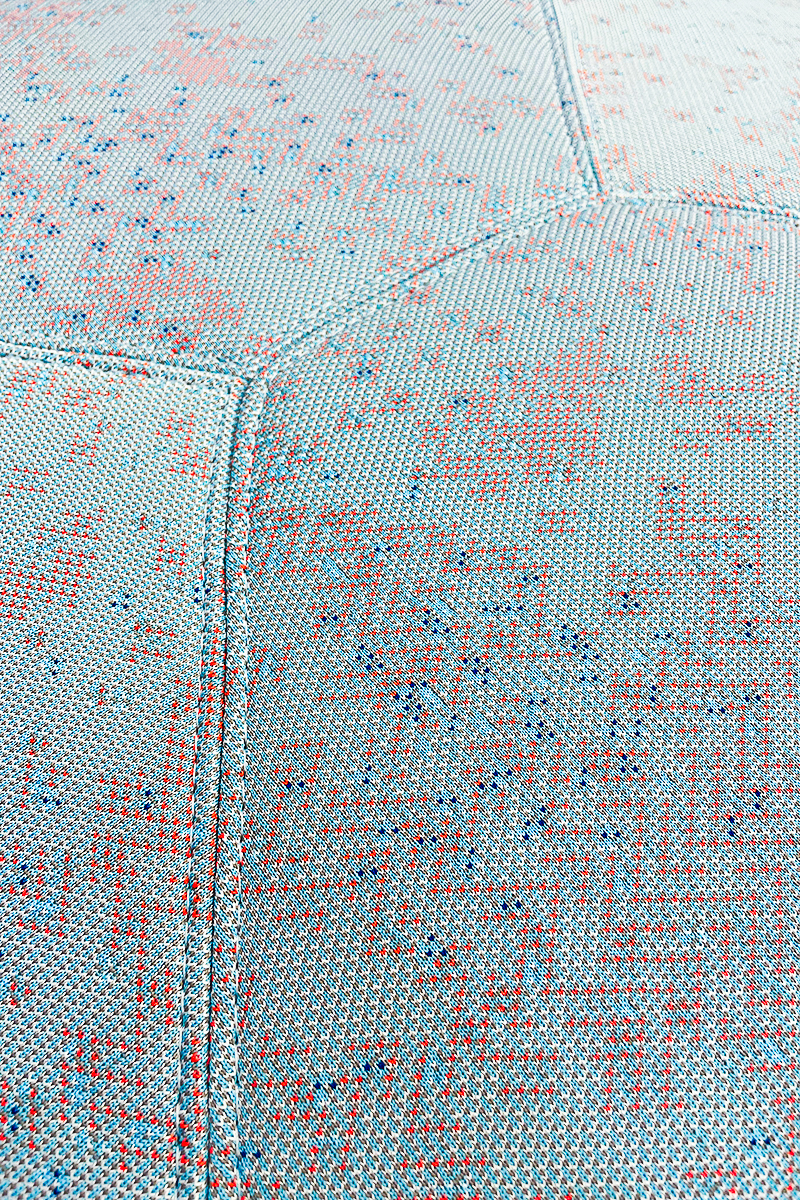
Part 3 - Result: The Textile Room
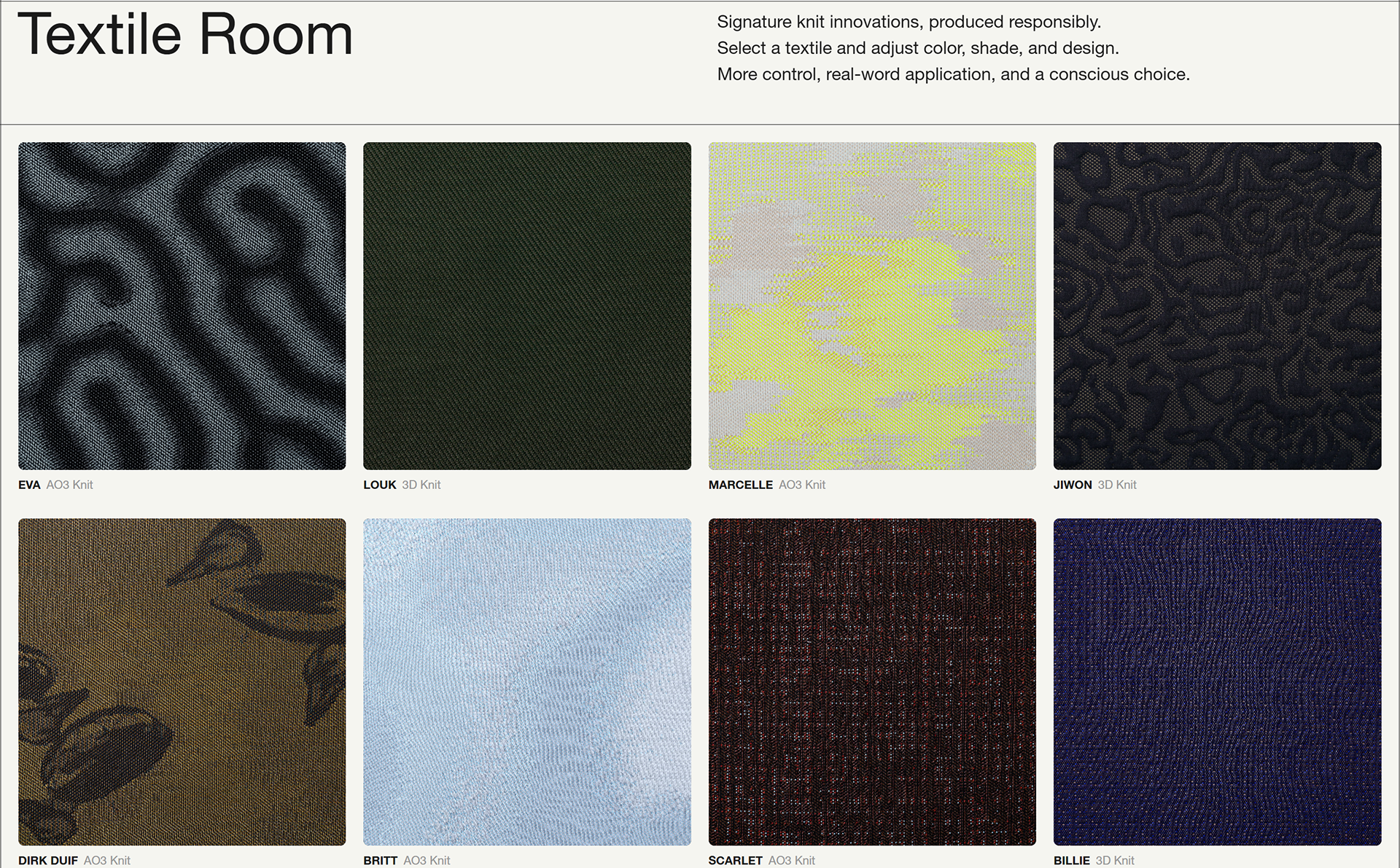
The roadmap culminated in the launch of The Textile Room.
I was responsible for defining the product-market fit: Create commercial offer that was production-safe enough to scale but design-led enough to attract premium brands and architects. I acted as the strategic bridge between the sales team (identifying opportunities) and the digital team (website & platform).
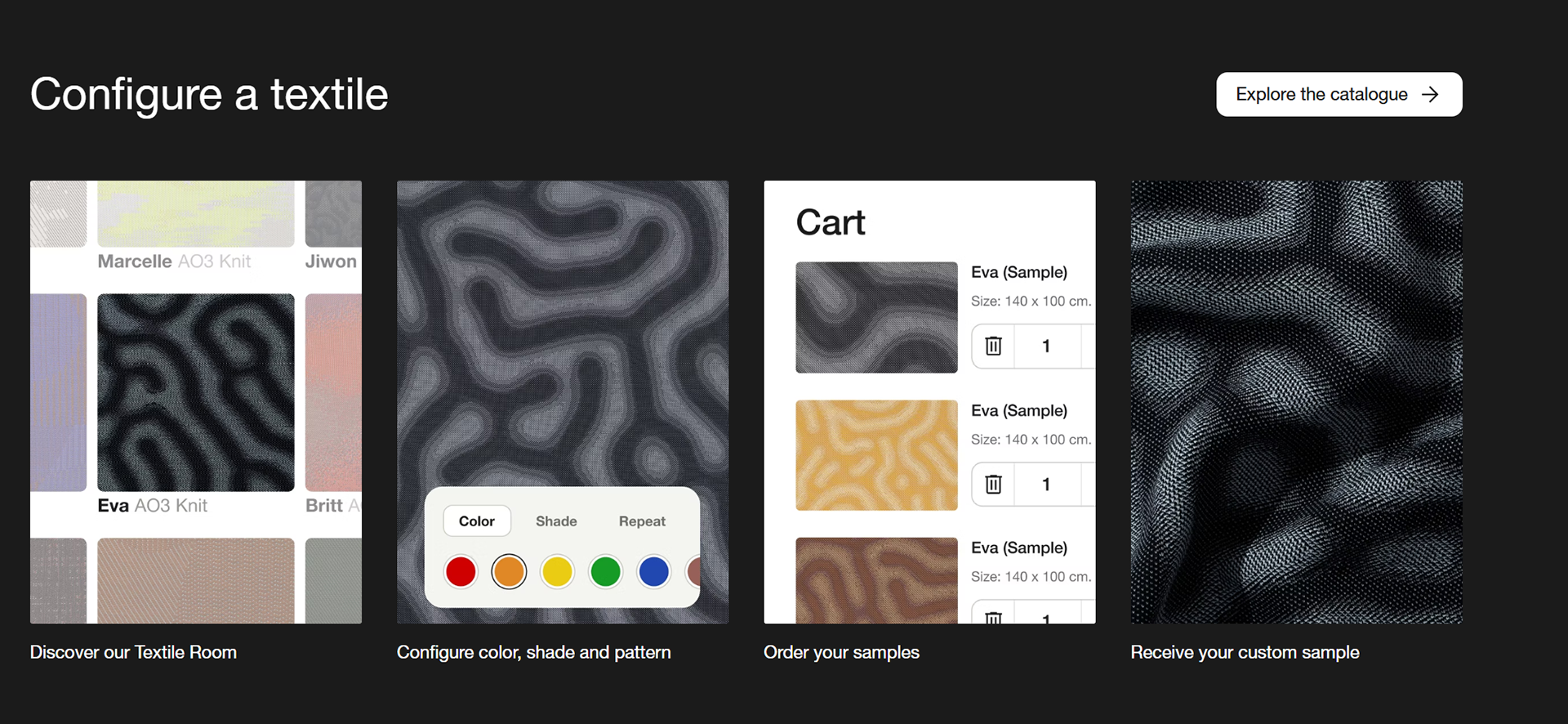
The result gave our new target clients like architects access to our collection with a new configurator feature, which was a simple way to make a custom colored textile in a scale of their choice, while still offering interior designers to design themselves using Create™.
The roadmap culminated in the launch of The Textile Room.
I was responsible for defining the product-market fit: Create commercial offer that was production-safe enough to scale but design-led enough to attract premium brands and architects. I acted as the strategic bridge between the sales team (identifying opportunities) and the digital team (website & platform).
The result gave our new target clients like architects access to our collection with a new configurator feature, which was a simple way to make a custom colored textile in a scale of their choice, while still offering interior designers to design themselves using Create™.
4. Outcomes:
Operational Efficiency & Strategic Alignment:
Reduced the manual resubmission loop by establishing fabric options like the AO knit type with 3 times more color options including self-check mechanisms for internal admin users.
Established a data-driven roadmap that aligned the needs of clients & the business under one unified vision for 2024 and beyond, like the configurator tool launch in 2025.
Building a future roadmap for creating a production-safe 3D knit type, translating client needs and knit specs into hard platform rules, showing possible steps to understand and design 3D structures on Create™, including warning users of risks in real-time.
Reduced the manual resubmission loop by establishing fabric options like the AO knit type with 3 times more color options including self-check mechanisms for internal admin users.
Established a data-driven roadmap that aligned the needs of clients & the business under one unified vision for 2024 and beyond, like the configurator tool launch in 2025.
Building a future roadmap for creating a production-safe 3D knit type, translating client needs and knit specs into hard platform rules, showing possible steps to understand and design 3D structures on Create™, including warning users of risks in real-time.
Successful Market Expansion:
Successfully tested the new workflow with interior designers like Daphna Laurens at Dutch Design Week 2024, with a design which is now part of the collection, proving the platform could host diverse design aesthetics while maintaining BYBORRE's technical standards.
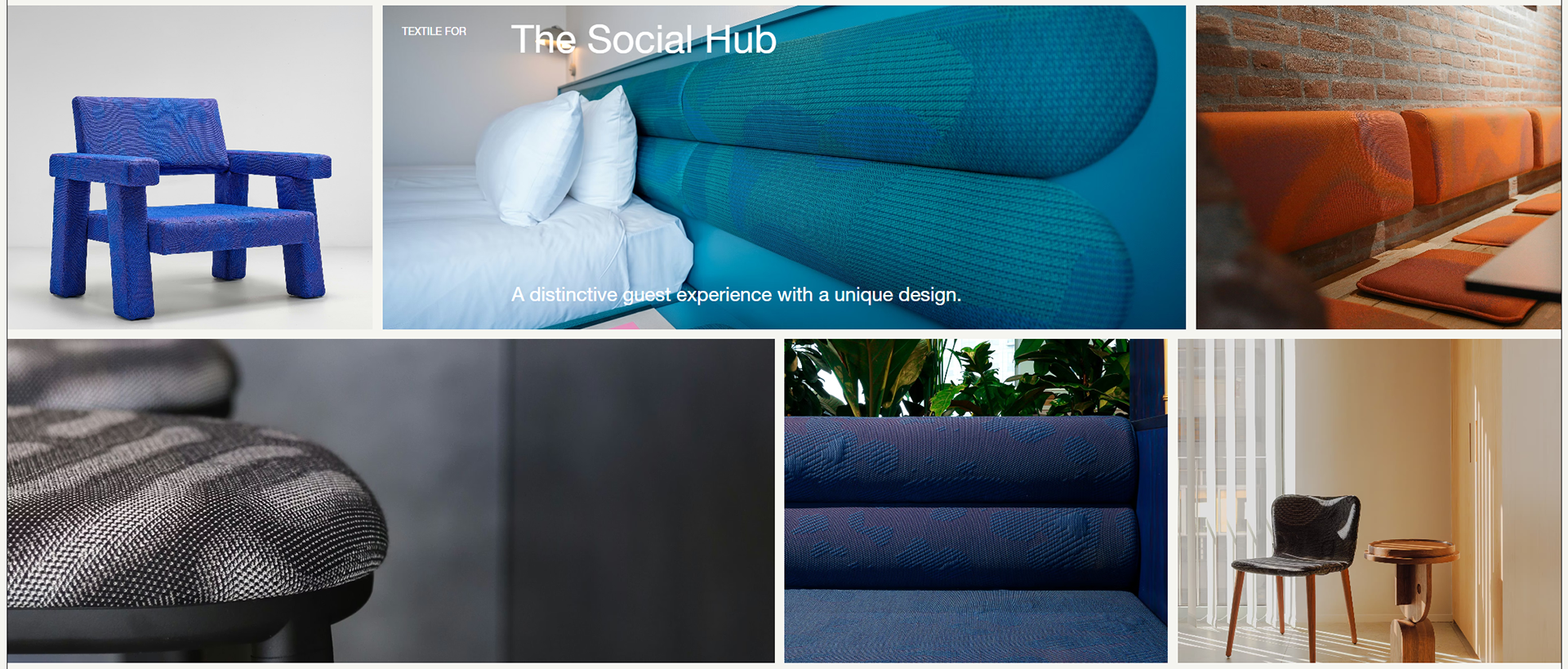
Preparing the launch of the Textile Room, positioning BYBORRE as a strategic partner for high-volume interior clients like The Social Hub.
Successfully tested the new workflow with interior designers like Daphna Laurens at Dutch Design Week 2024, with a design which is now part of the collection, proving the platform could host diverse design aesthetics while maintaining BYBORRE's technical standards.
Preparing the launch of the Textile Room, positioning BYBORRE as a strategic partner for high-volume interior clients like The Social Hub.
Standardized Collaboration:
The Business Glossary and Use Case process became the blueprint for interdisciplinary work at BYBORRE.
The Business Glossary and Use Case process became the blueprint for interdisciplinary work at BYBORRE.
By successfully aligning technical scalability with market demand, I transitioned into business innovation, initiating partnerships with DMIX and Material Bank, the latter resulting in a long-term strategic partnership starting from 2025.
This path from use case owner to strategic lead provided the catalyst for my recent formalization in Project- (IPMA Level D & PSPO I) and Innovation Management .
This path from use case owner to strategic lead provided the catalyst for my recent formalization in Project- (IPMA Level D & PSPO I) and Innovation Management .