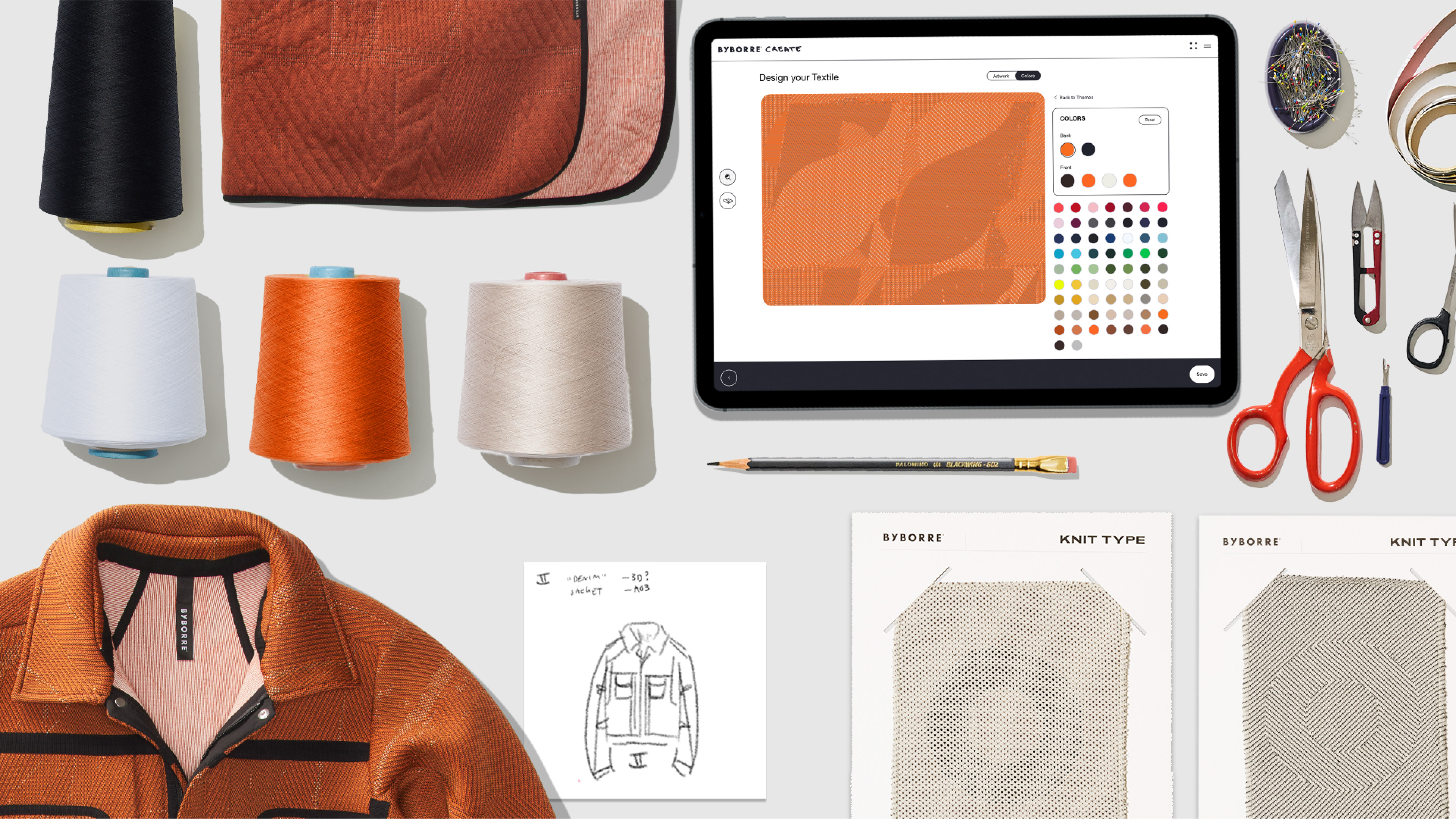
About BYBORRE:
BYBORRE is a textile innovation studio on a mission to democratize the complex world of circular knitting. By combining high-performance textile engineering with a platform-first business model, they have moved away from the industry's traditionally closed, rigid systems to offer a transparent, on-demand alternative to mass overproduction.
BYBORRE is a textile innovation studio on a mission to democratize the complex world of circular knitting. By combining high-performance textile engineering with a platform-first business model, they have moved away from the industry's traditionally closed, rigid systems to offer a transparent, on-demand alternative to mass overproduction.
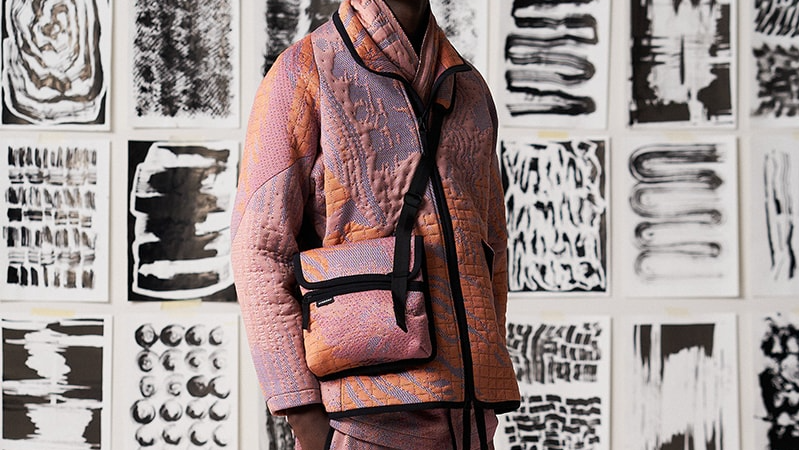
The Innovation: Rather than just producing fabric, BYBORRE opened its proprietary technology to the world through Create™, a digital design platform that allows creators to design bespoke textiles with 100% traceability via a Textile Passport.
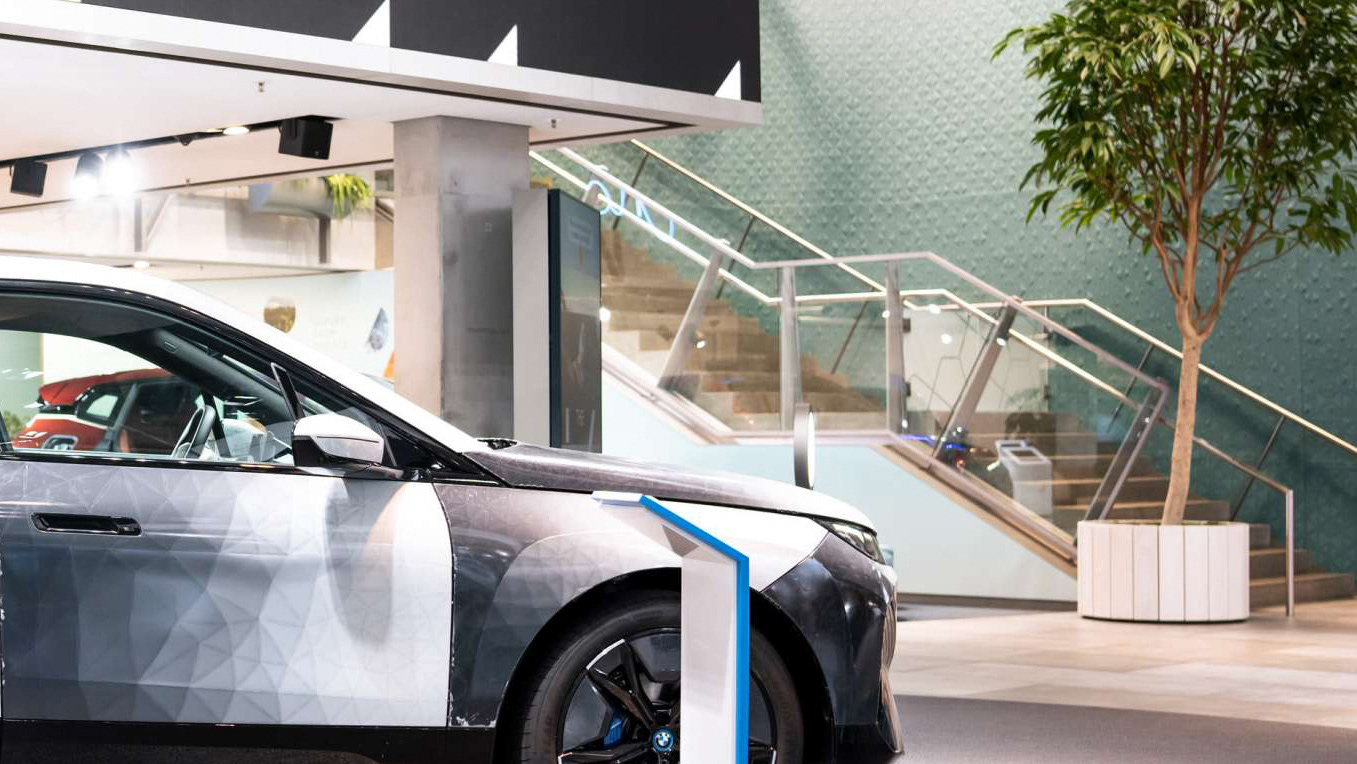
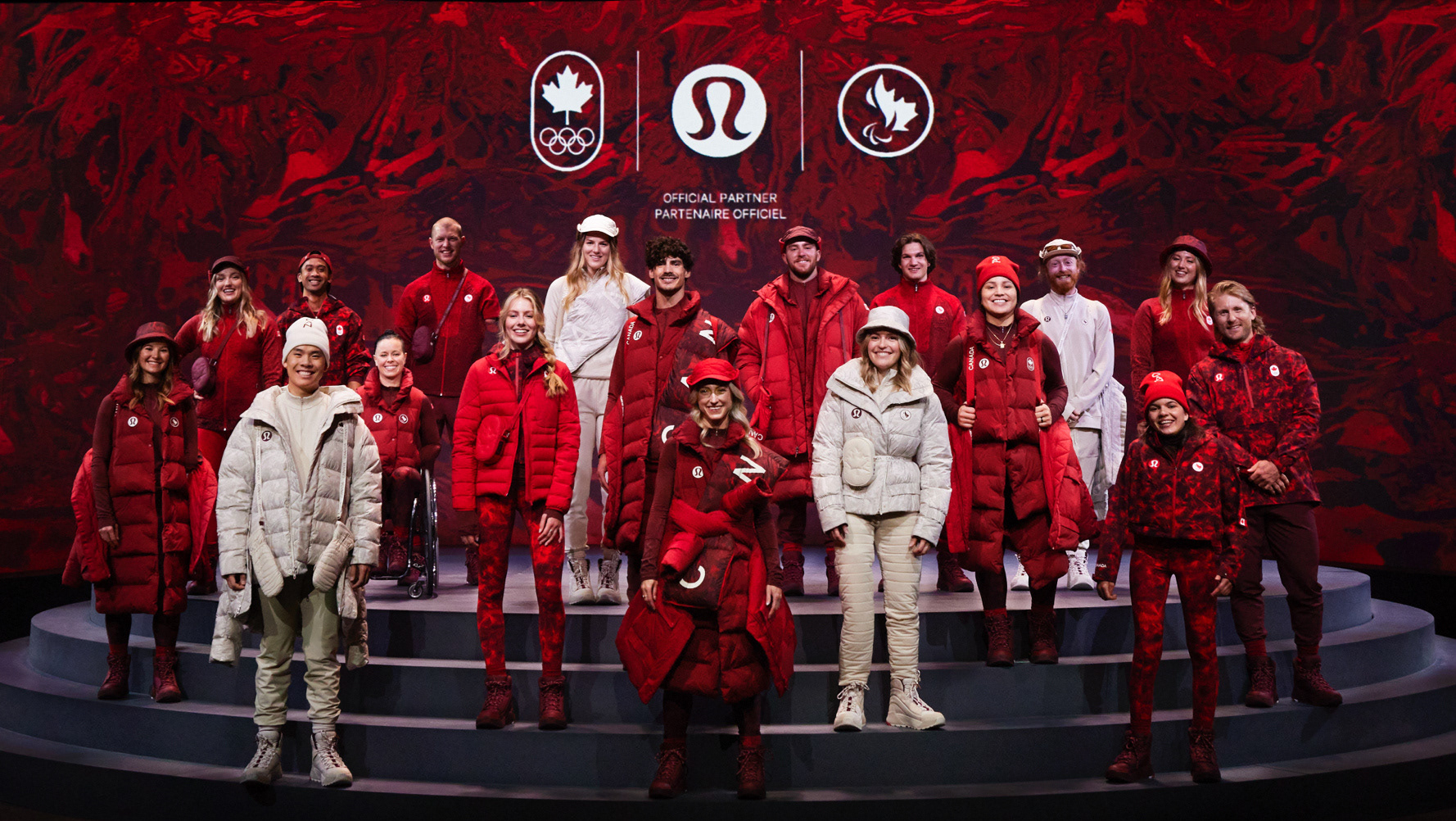
Global Impact: This future-forward approach has led to high-tier collaborations with global leaders including adidas, BMW, Apple TV, Rapha, Kering Group and The Social Hub.
Global Impact: This future-forward approach has led to high-tier collaborations with global leaders including adidas, BMW, Apple TV, Rapha, Kering Group and The Social Hub.
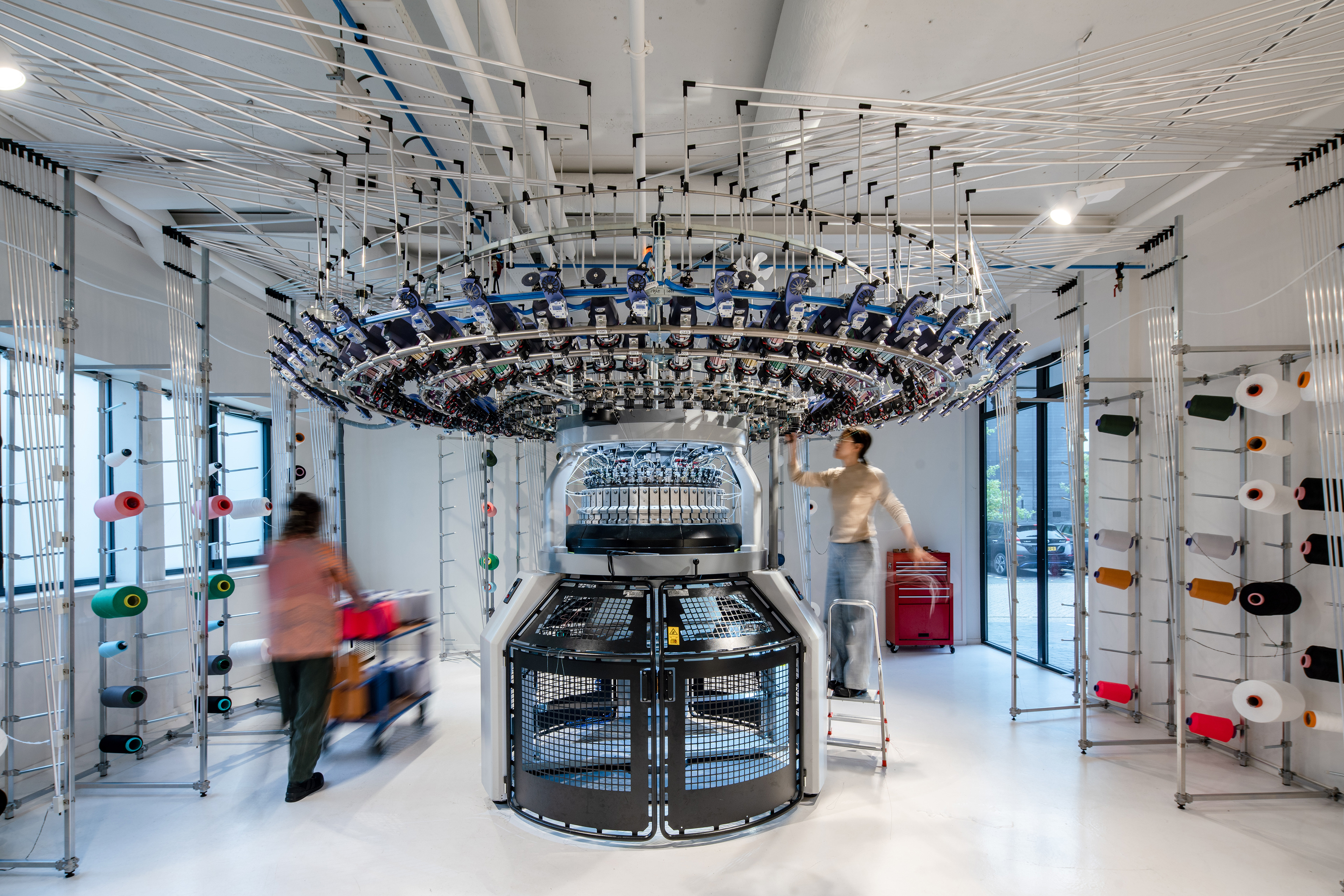
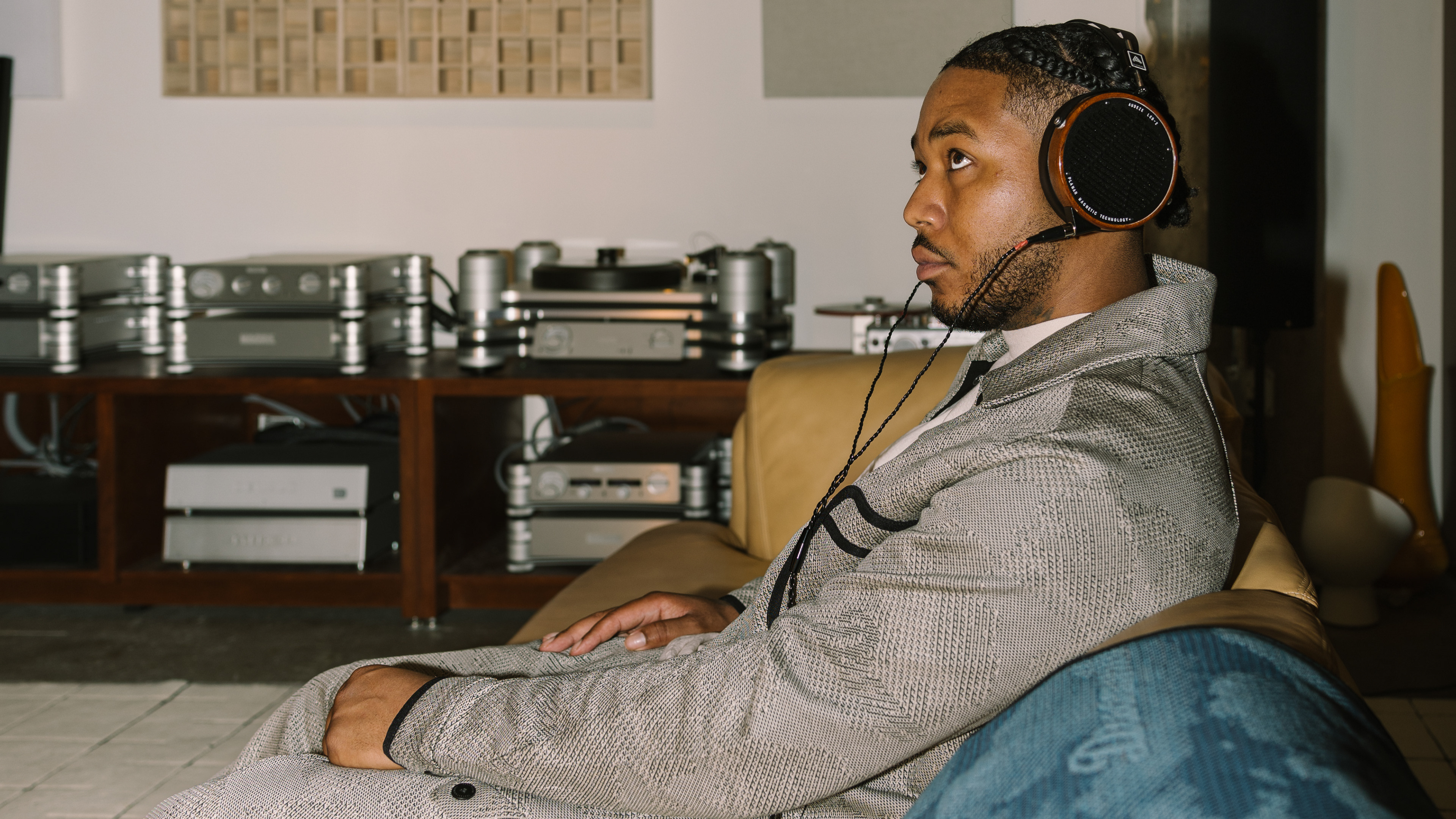
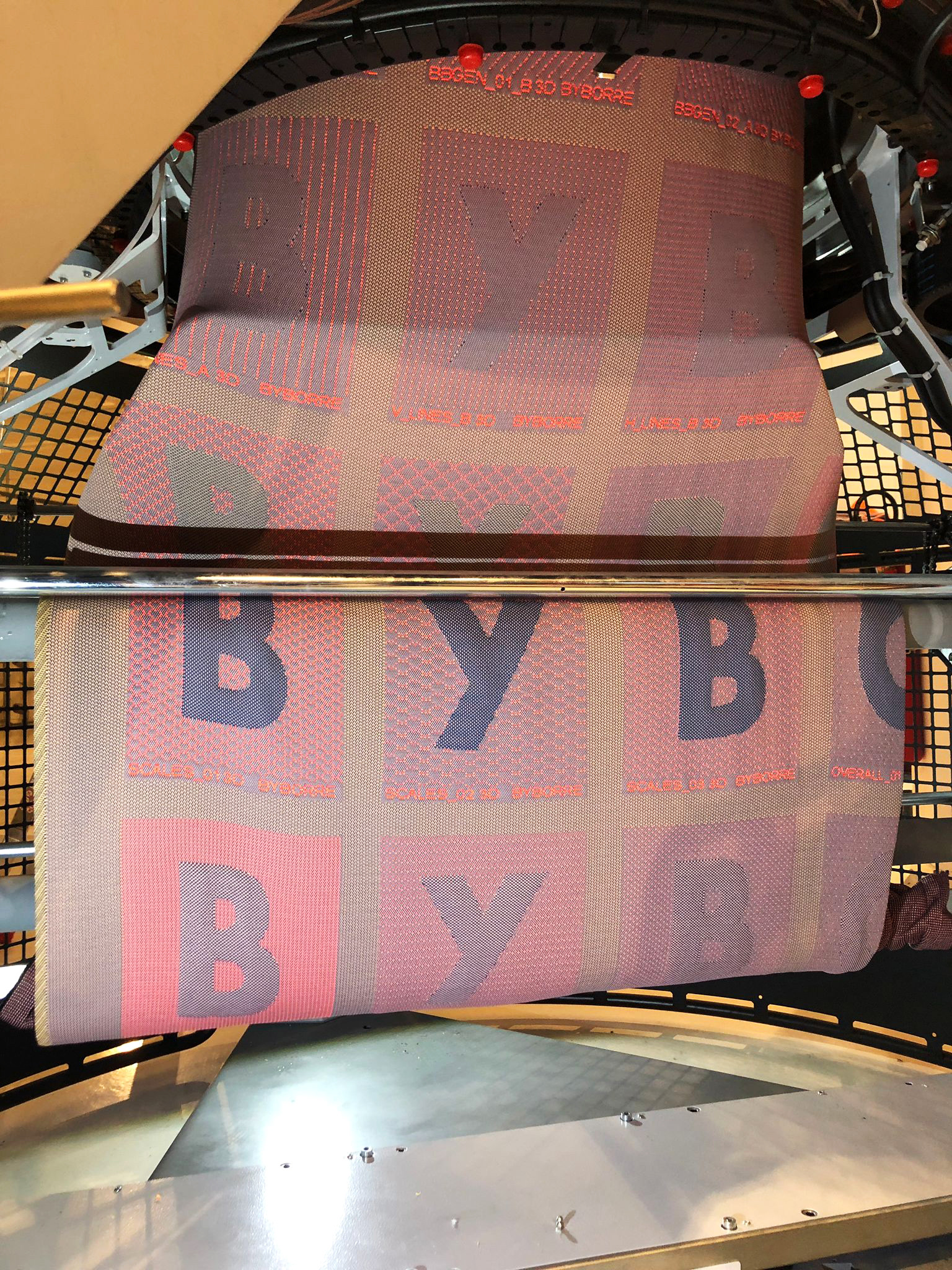
Knitlab at BYBORRE in Amsterdam, Netherlands
My Role: Building the Bridge
While BYBORRE provided the vision, the platform faced a massive technical challenge: How do you translate a designer’s 2D digital artwork into the complex logic required by an industrial knitting machine?
As Graphical System Builder, I stepped into the space between design and engineering. My mission was to analyze the manual friction points of textile production and architect the digital rules that would allow the Create™ platform to scale. Through daily project work, creating textile designs for industry clients, I was able to translate user needs directly from the source.
As Graphical System Builder, I stepped into the space between design and engineering. My mission was to analyze the manual friction points of textile production and architect the digital rules that would allow the Create™ platform to scale. Through daily project work, creating textile designs for industry clients, I was able to translate user needs directly from the source.
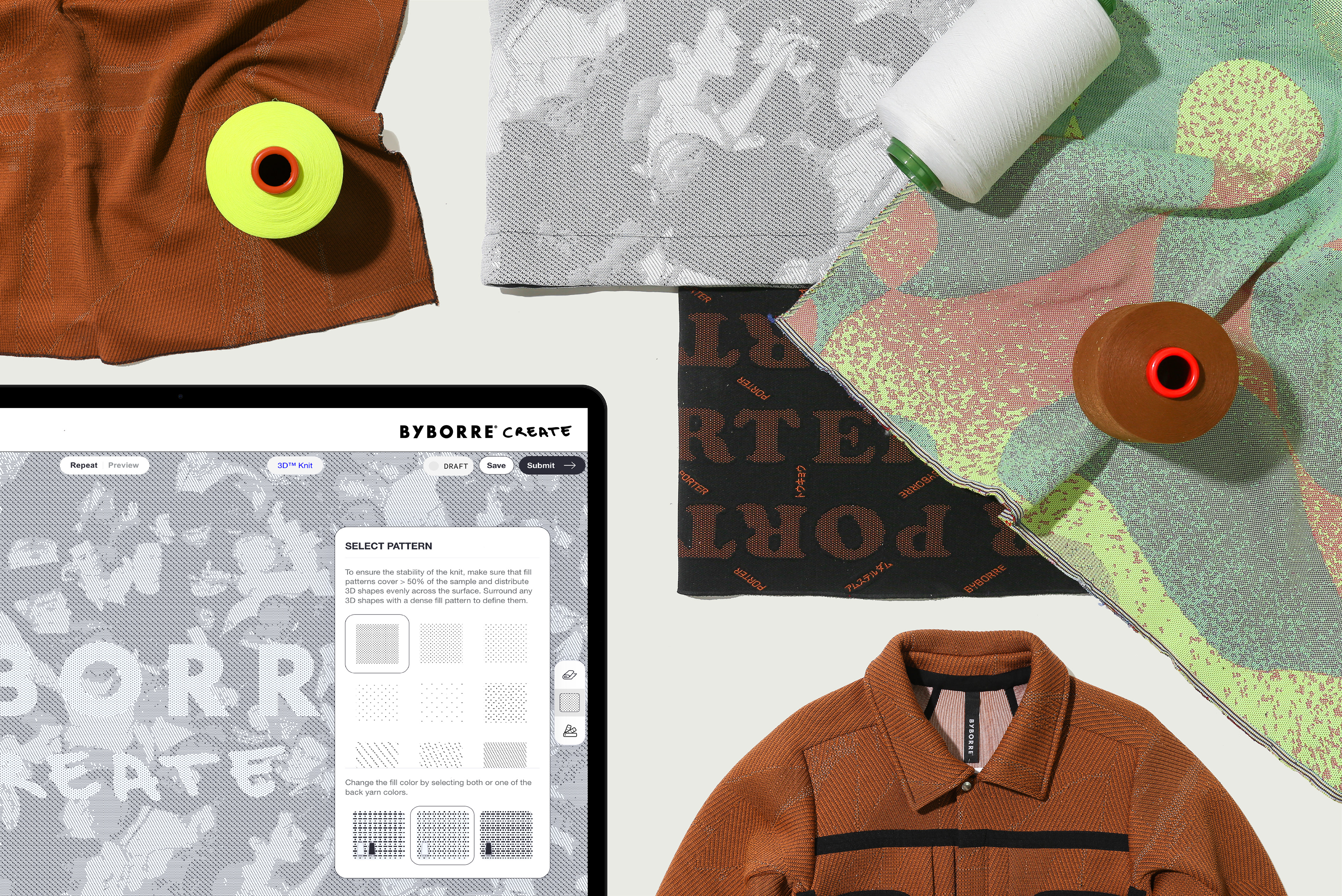
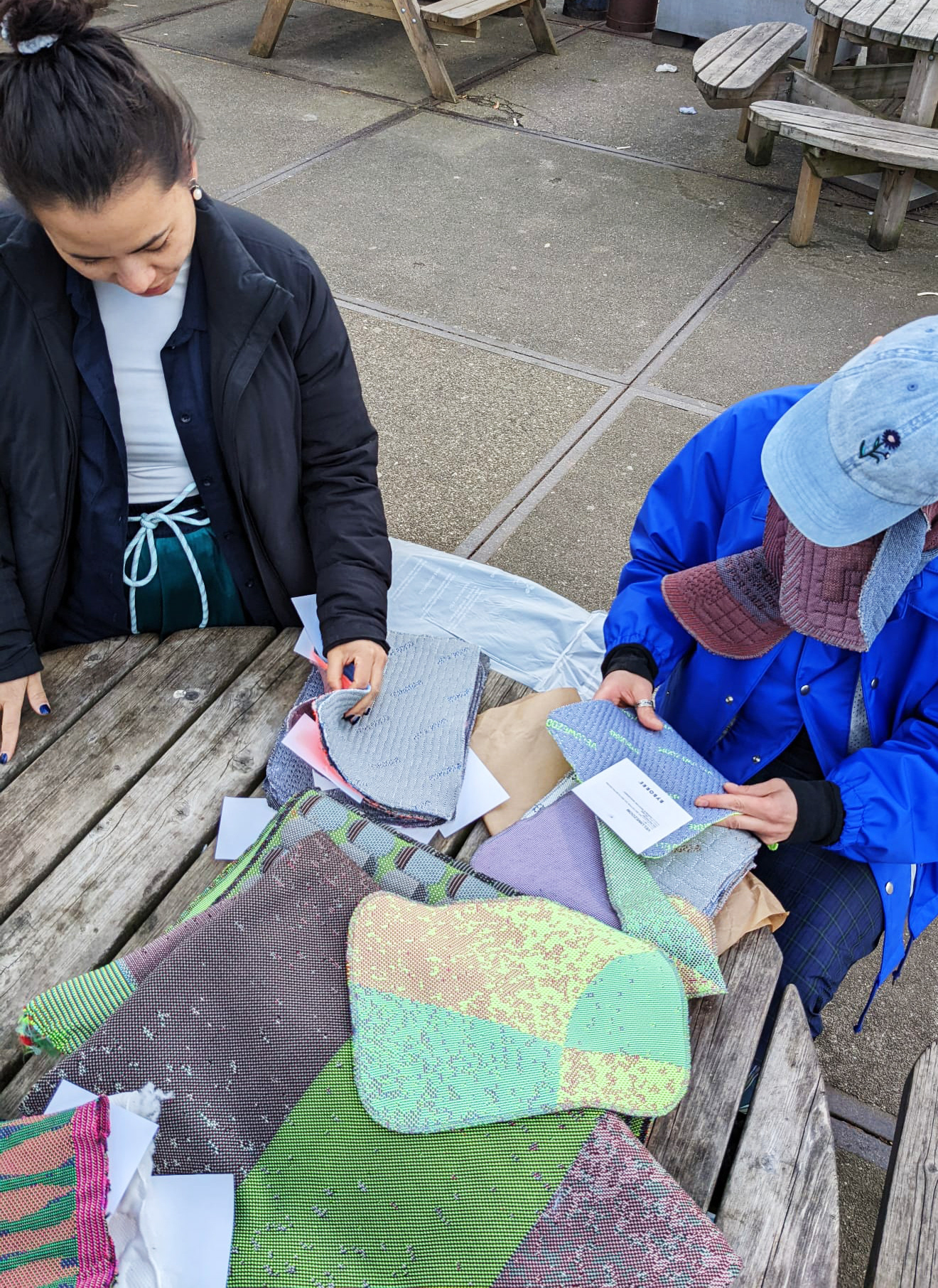
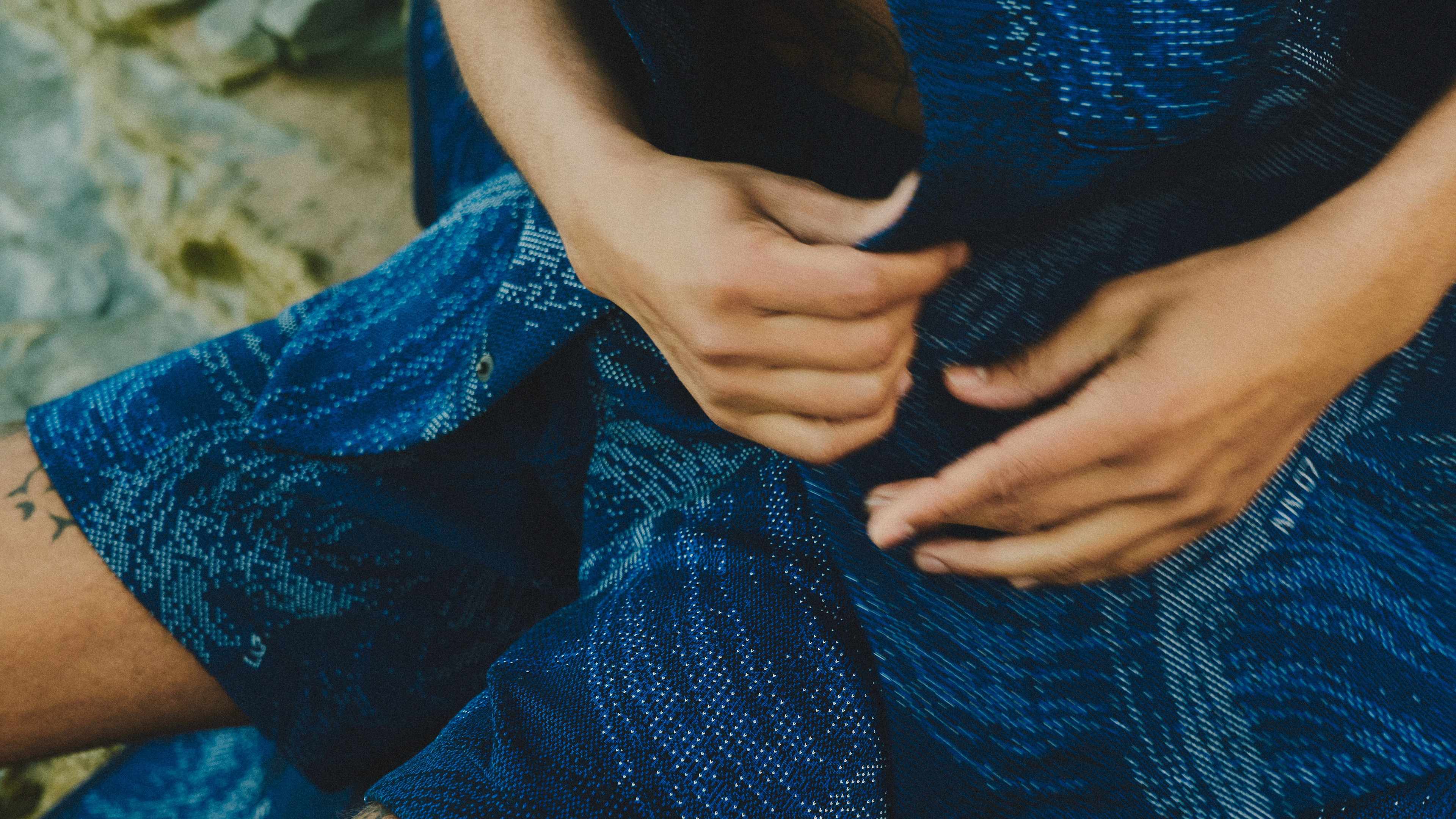
Reviewing knit samples and structures with textile designer Miko Kocoń
BYBORRE Create™: Pixel to Needle Translation
Focus: Process Analysis, Systems Thinking & Technical Logic
Focus: Process Analysis, Systems Thinking & Technical Logic
1. Context & Challenge:
Textile engineering is traditionally a black box of complex parameters. For Create™ to succeed, it needed to resolve the tension between limitless digital design and the hard constraints of industrial knitting (e.g.machine settings or program restrictions). The manual process of translating a client's design into a production-ready file was a major bottleneck with back-and-forth work between teams.
Textile engineering is traditionally a black box of complex parameters. For Create™ to succeed, it needed to resolve the tension between limitless digital design and the hard constraints of industrial knitting (e.g.machine settings or program restrictions). The manual process of translating a client's design into a production-ready file was a major bottleneck with back-and-forth work between teams.
2. Mapping the Process
Before building an improved workflow, I deconstructed the manual complexity:
Before building an improved workflow, I deconstructed the manual complexity:
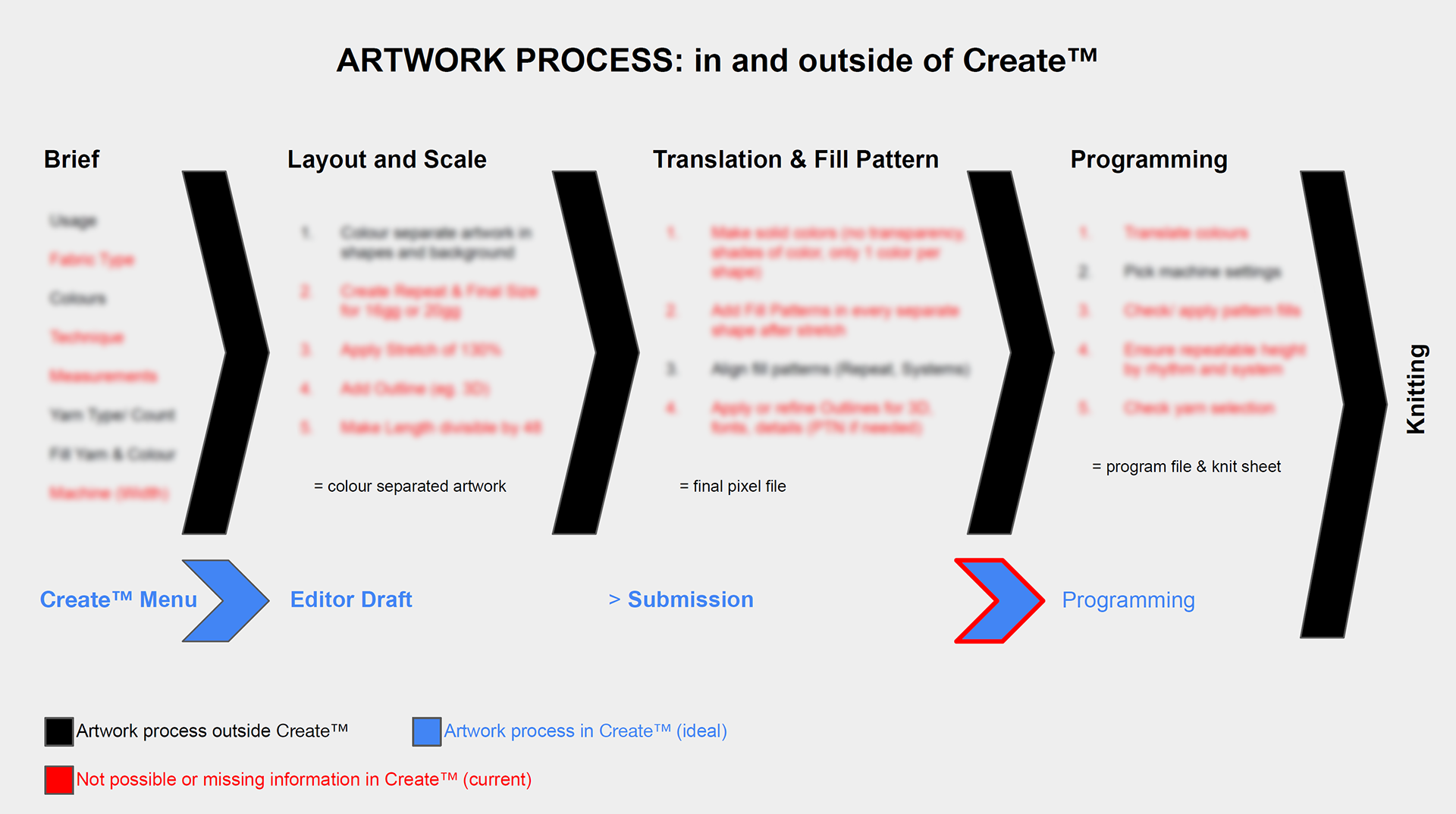
Assessement of obstacles (red) in the workflow & ideal path (blue) for the design platform
Current State Audit: First I mapped the Artwork Creation Process, identifying every step from color separation to stretch calculations that needed to be done when preparing a knittable file.
Use Case Mapping: Then I synthesized my internal assessment with feedback from our programmers, knitters and platform users to define missing features enabling a smooth & automated workflow.
Alignment & Collaboration: I acted as translator between the Digital Team who built the software and the Knit Lab team using the machines, clarifying the necessary technical details for the digital design to be directly translateable into a physically knittable sample.
Use Case Mapping: Then I synthesized my internal assessment with feedback from our programmers, knitters and platform users to define missing features enabling a smooth & automated workflow.
Alignment & Collaboration: I acted as translator between the Digital Team who built the software and the Knit Lab team using the machines, clarifying the necessary technical details for the digital design to be directly translateable into a physically knittable sample.
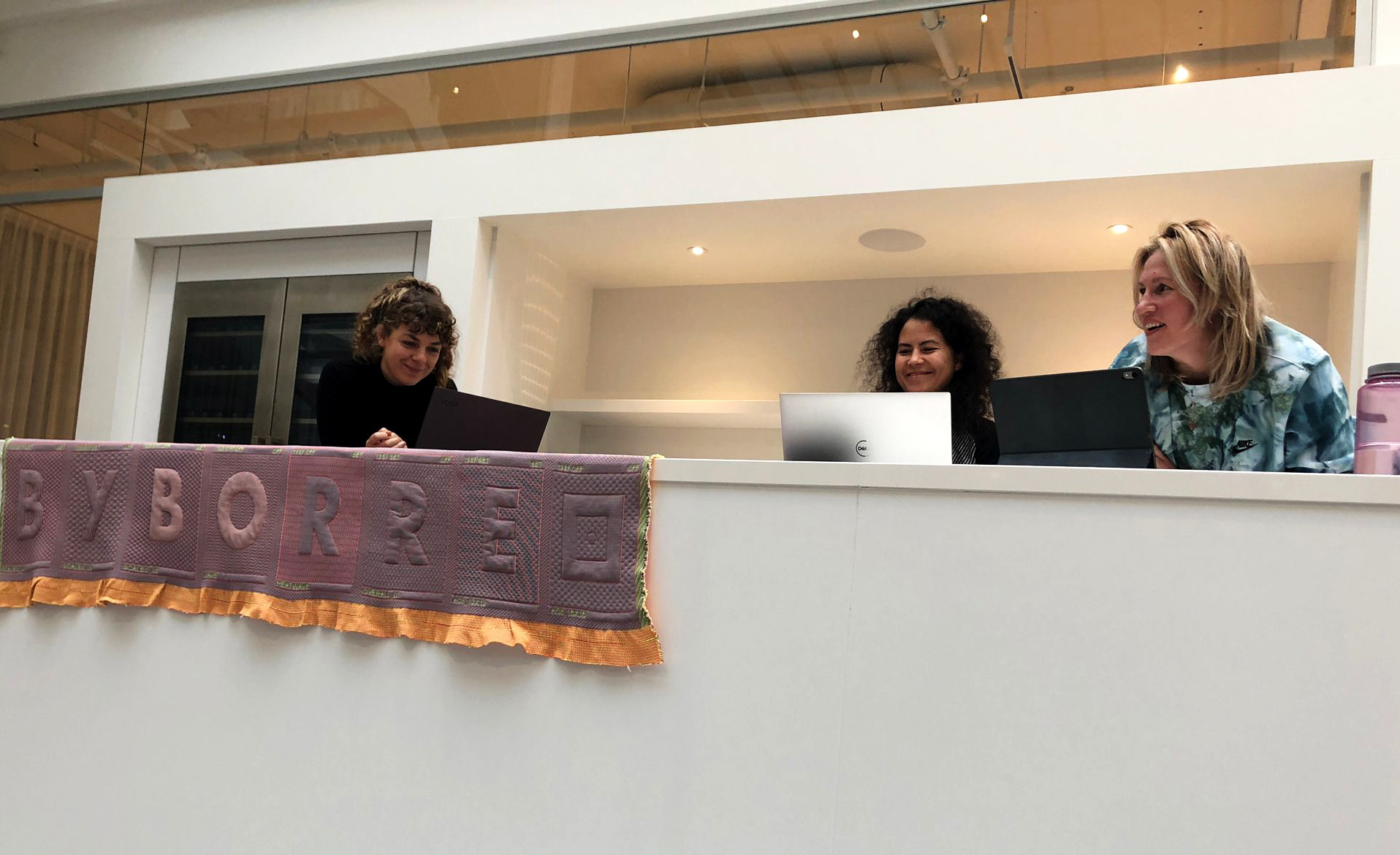
Discussing solutions for Create™v with knit engineer Robin Pleun and CD Jesse Asjes
3. Translation
This was the invisible logic work that automated the Pixel to Needle journey. Together with knit engineers & software developers we started optimizing for the ideal process:
Automated Translation: Defining how pixels should translate directly into stitches and applying stretch within the program before knitting the file on the machine. This update cut down 50% of the work from platform to programming.
Constraint Integration: Converting physical textile rules (e.g. repeat length, selvedge, stable pattern size) into automated system validations ensuring technical accuracy. Setting a standard removed knitting errors on the machine and manual intervention before knitting the physical sample.
UX Optimization: Proposing workflow improvements reducing up to 90% of the time from design to submission, by removing manual steps like clicks and workarounds, enhancing the user journey.
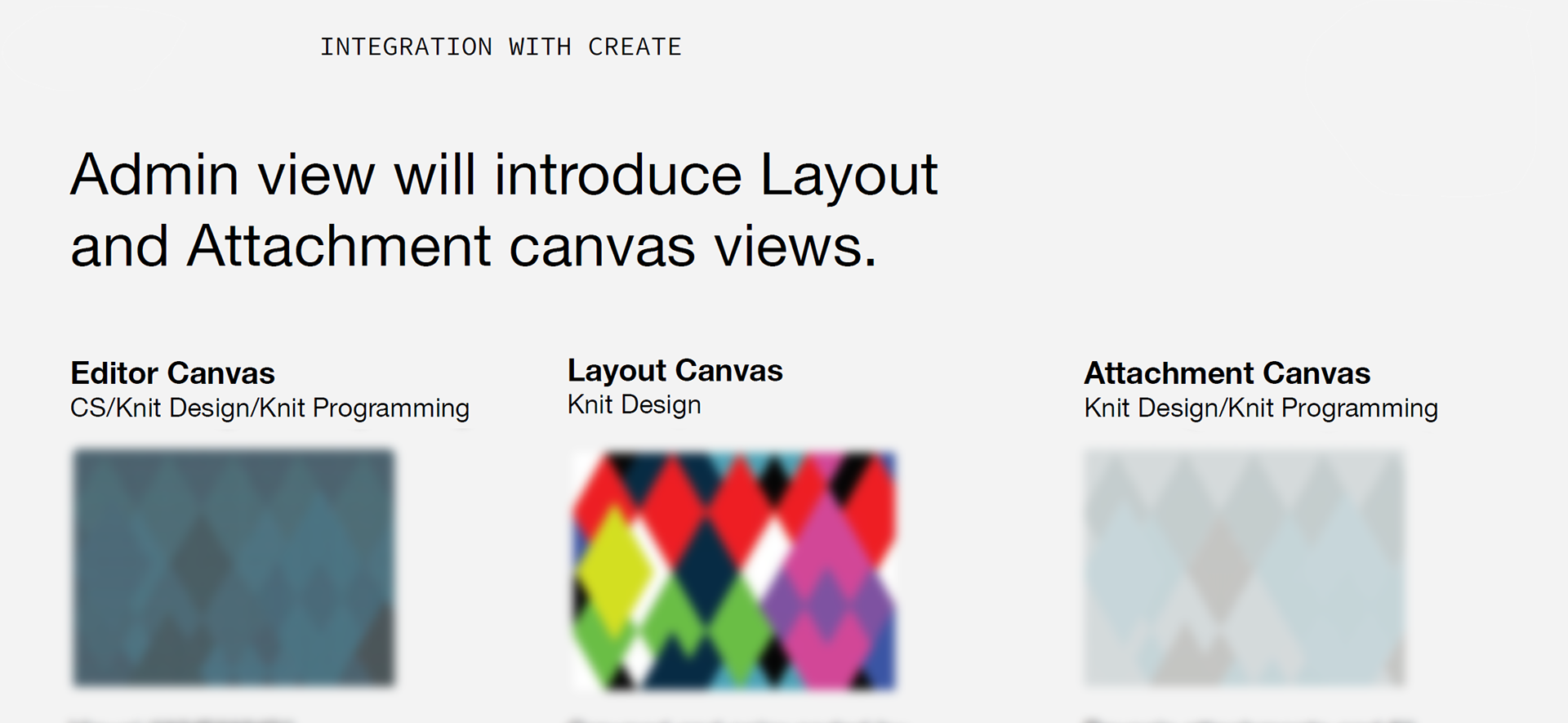
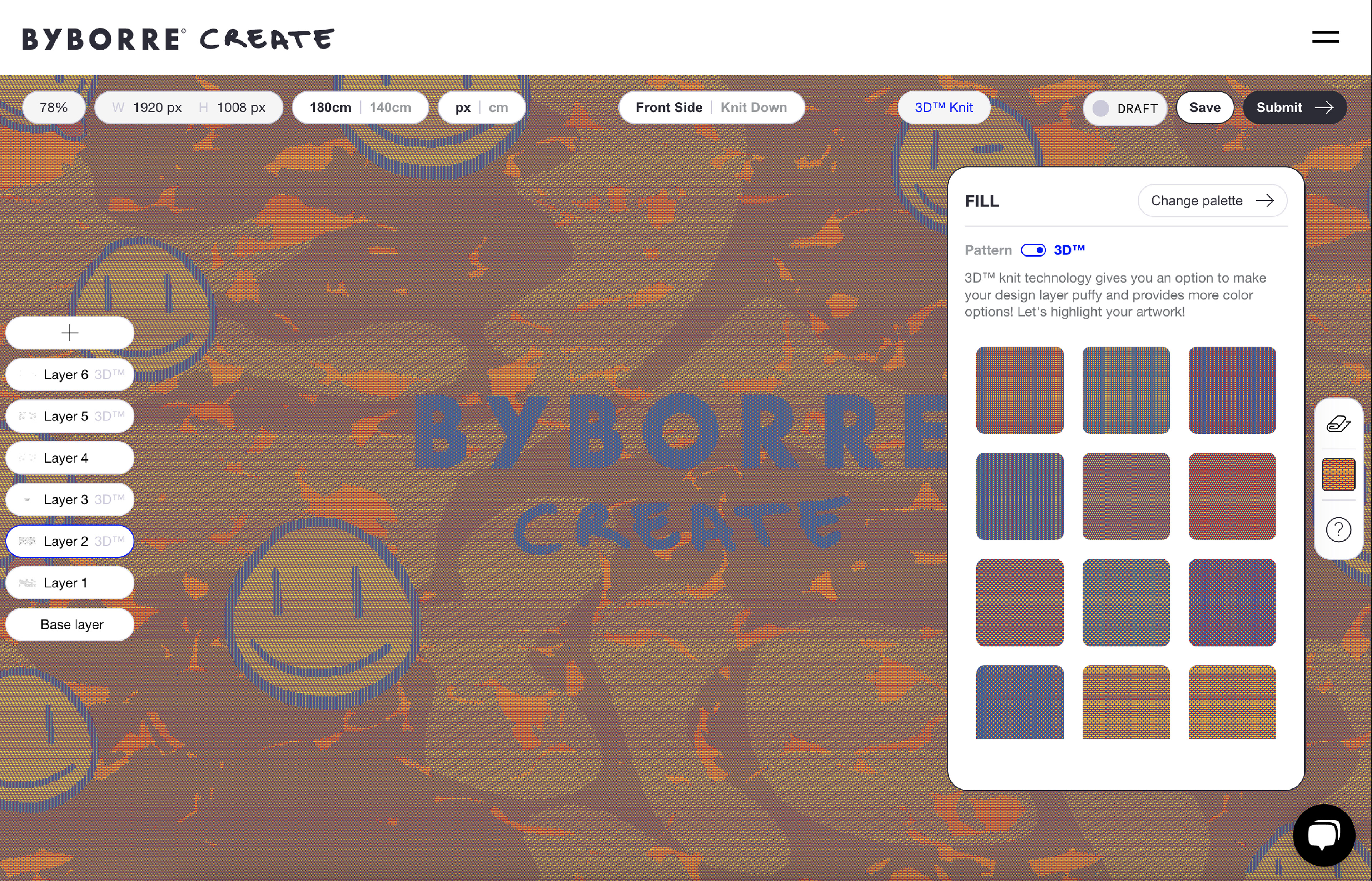
Automating the translation of a design (Editor Canvas), to technical file (LC) and final knit file (AC)
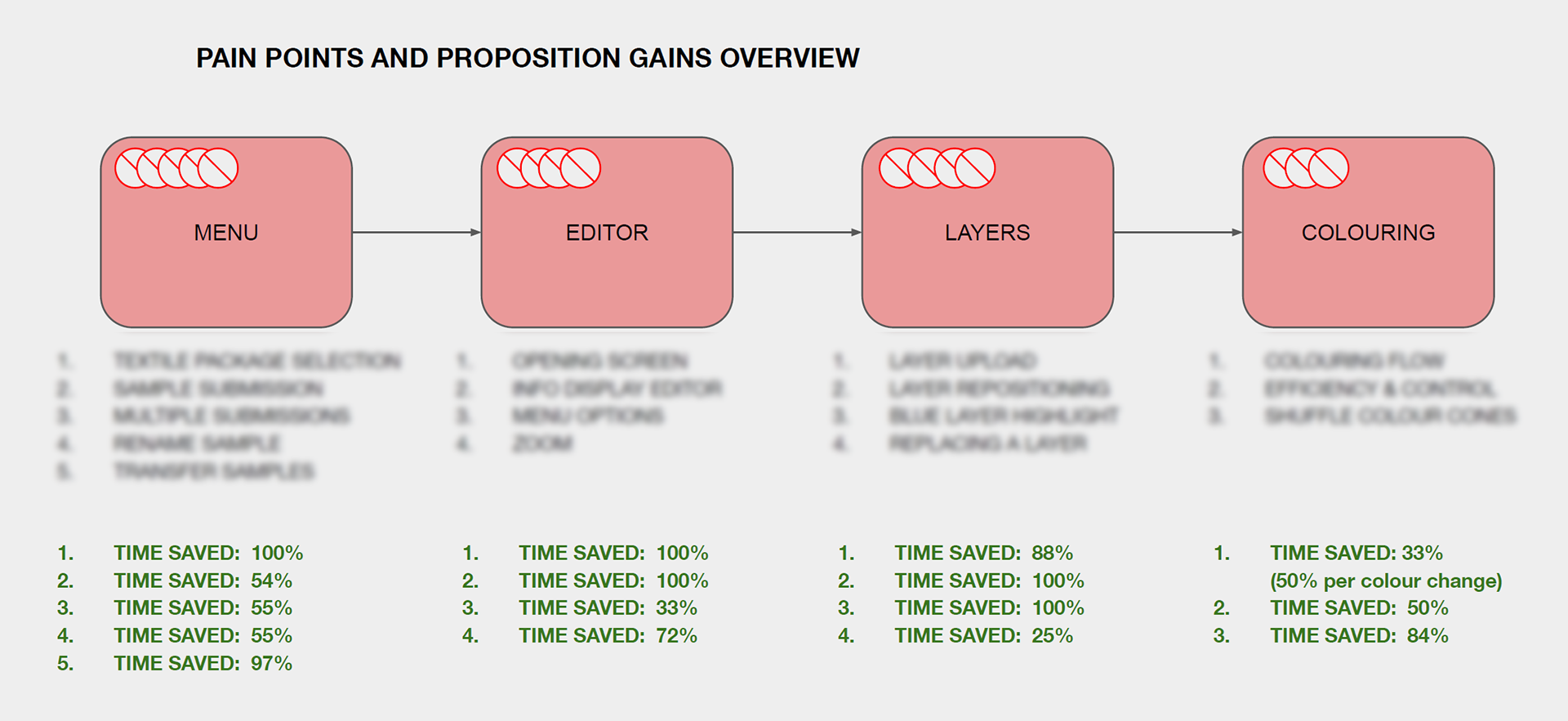
Removing unneccessary steps in the user journey of the Create™ platform
4. The Outcome: A Scalable System
My work turned a manual, error-prone handover into a structured digital pipeline:
Efficiency: Significantly reduced the translation work for the internal team.
Clarity: Provided design users with a clearer user experience while designing.
Foundation: Building the foundation for a continuous collaboration between teams, from sales to artwork, knitlab and the software team building Create™.
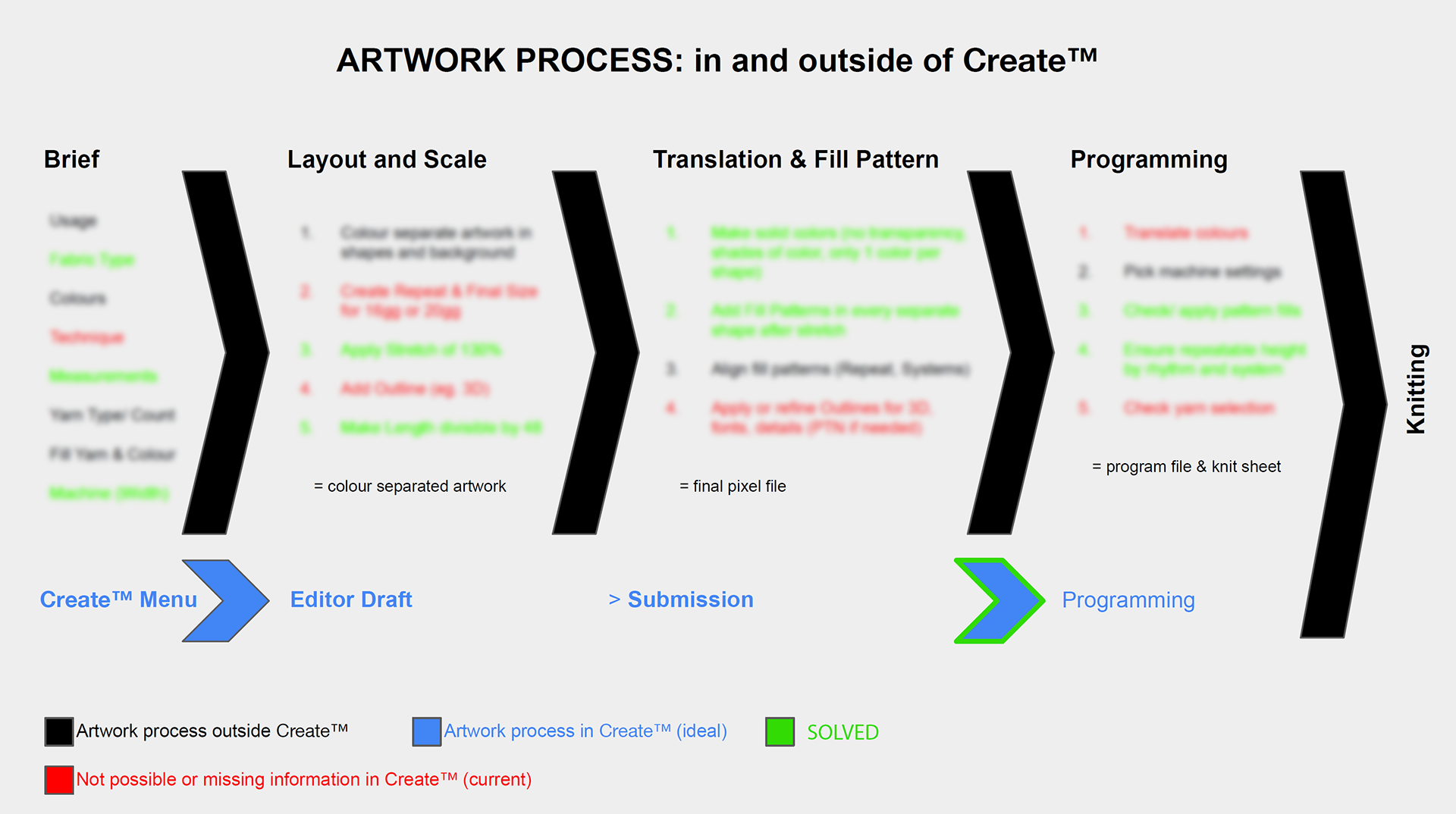
Solved steps (green) in 2022, allowing the direct file translation from pixel design to knit machine.
I established my system-thinking mindset and cross-functional leadership, which lead to the new role of Use Case Owner in 2023, establishing a new process and creating the customisation roadmap for Create™.